With heating oil expected to cost oil-heated households noticeably more this winter, many Maine and New Hampshire homeowners are asking whether switching to propane makes sense. The EIA expects homes that heat with propane or natural gas to spend less this winter than last, while oil homes face the biggest increase. That's a good reason to look, but a switch is a real project. Here is what to expect so you can decide with clear eyes.
Oil vs. Propane: The Basics
Both fuels are delivered to a tank at your home, and both can run a furnace or boiler, so the day-to-day experience is similar. The main differences:
- Energy content. A gallon of heating oil contains more heat than a gallon of propane, so you'll burn more gallons of propane to produce the same amount of heat. That's why comparing price per gallon alone can mislead. Compare the cost per unit of heat instead.
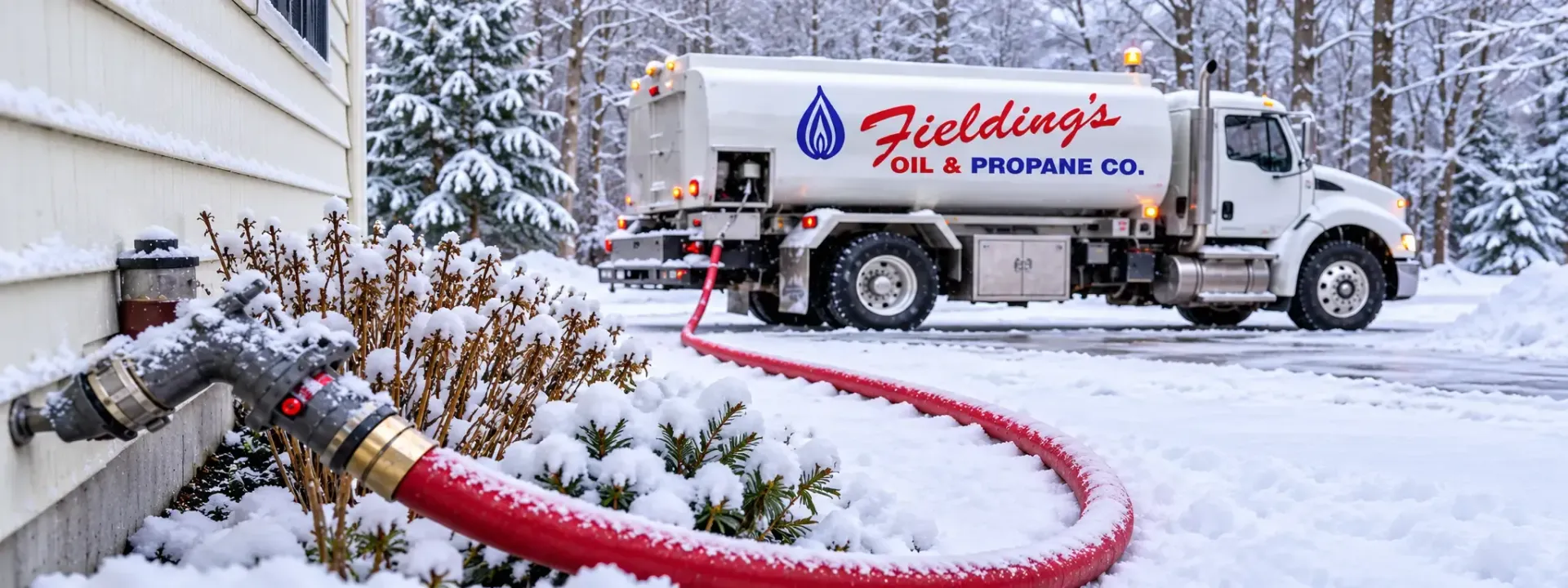
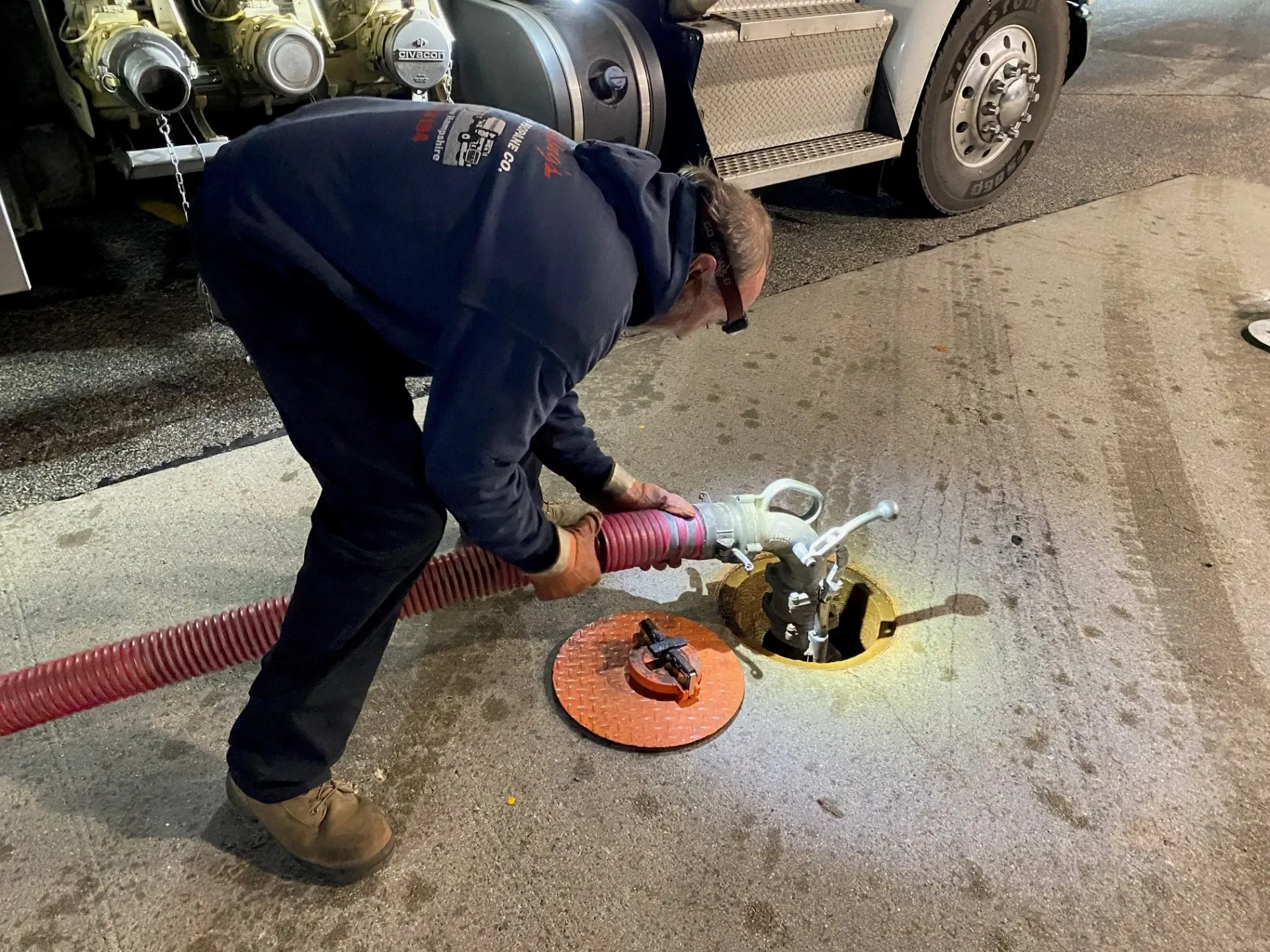
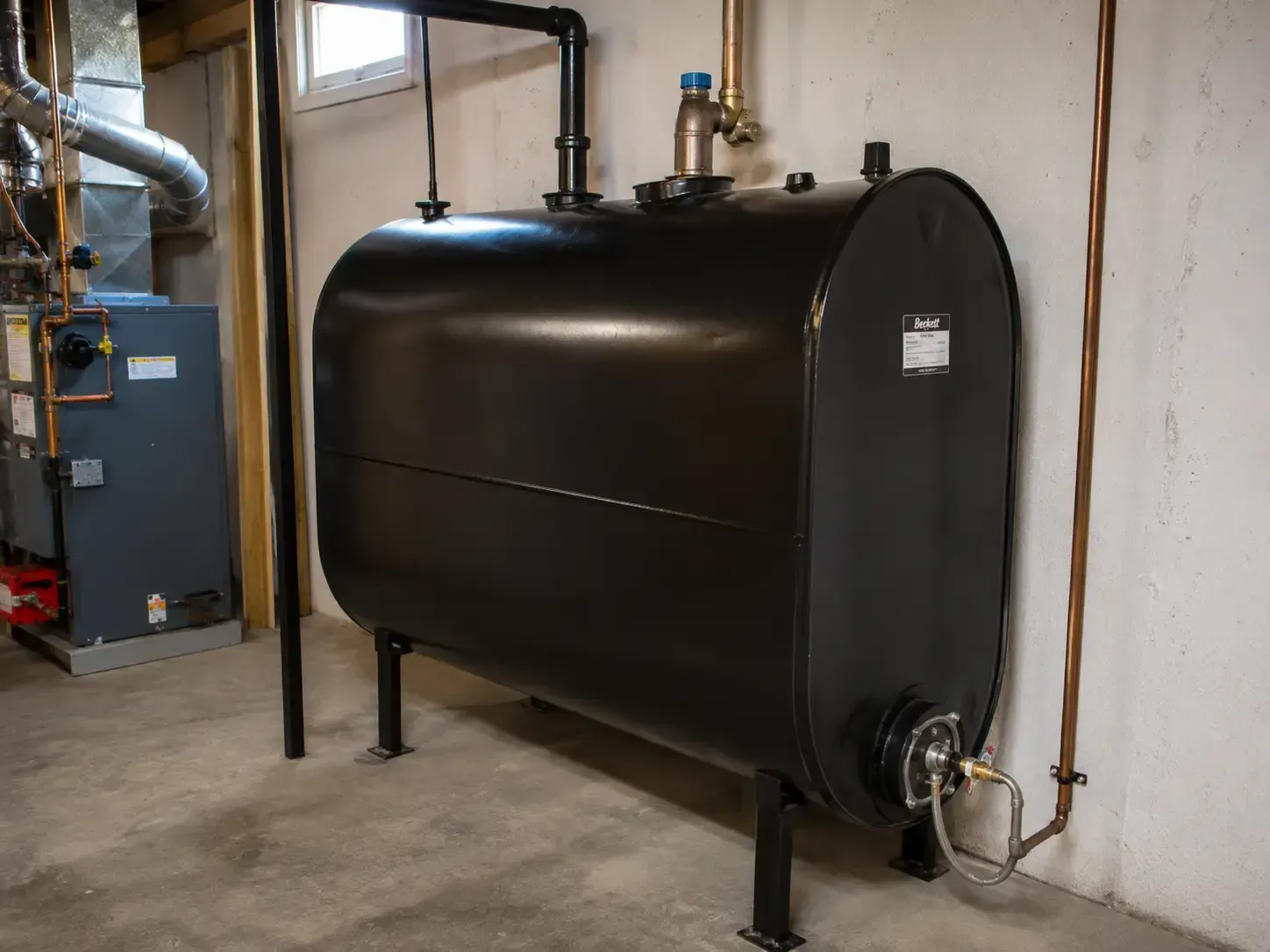
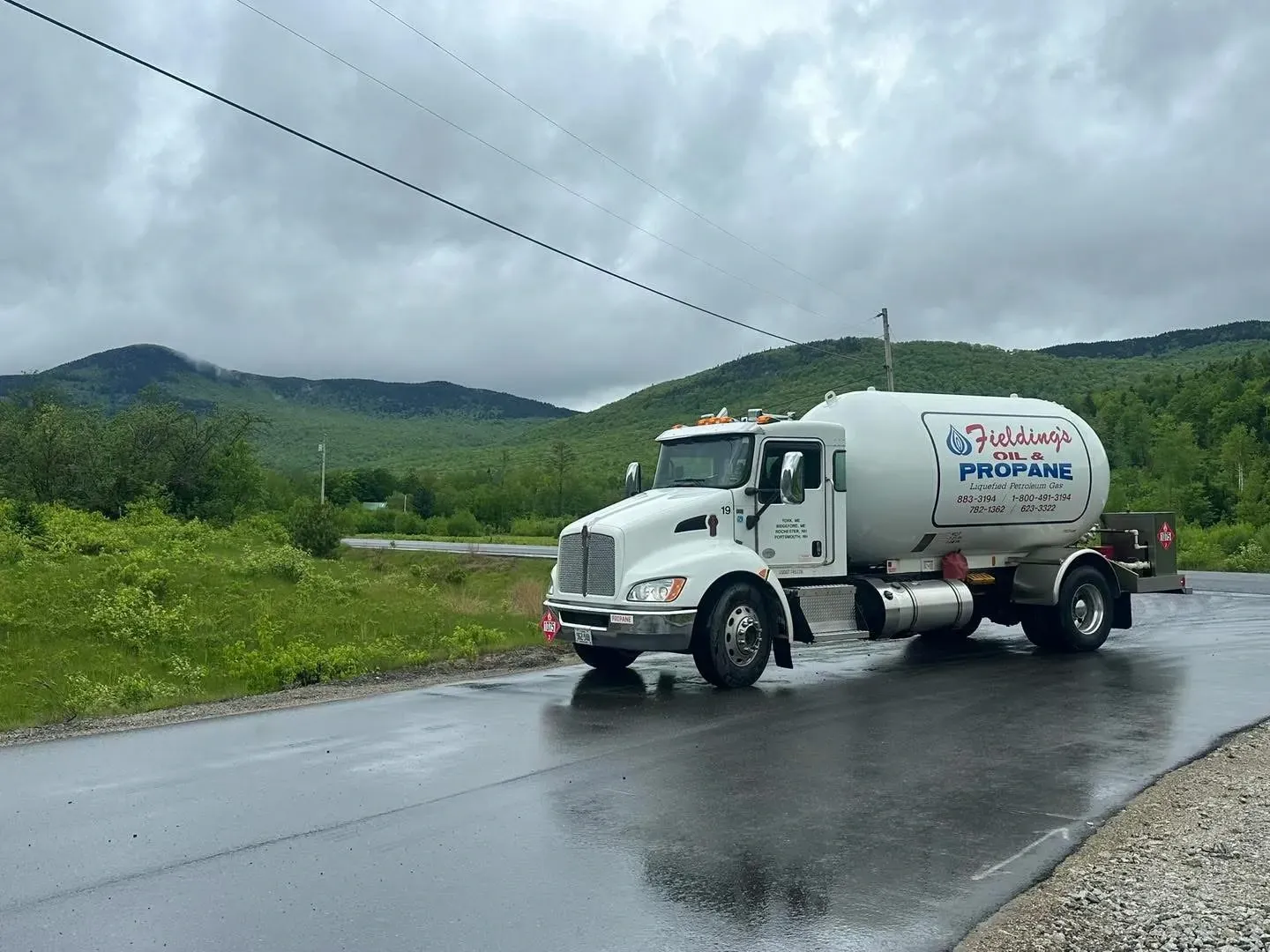
- Storage. Propane is stored in a pressurized tank, either above ground or buried. Oil is stored in a tank, usually in a basement or outside.
- Combustion and venting. Propane burns cleaner than oil, and the venting requirements differ from oil systems.
- Price. At the beginning of this year, Maine propane averaged slightly below oil per gallon, but both move with the market. Ask about current prices and price protection before you decide.
What Does a Conversion Involve?
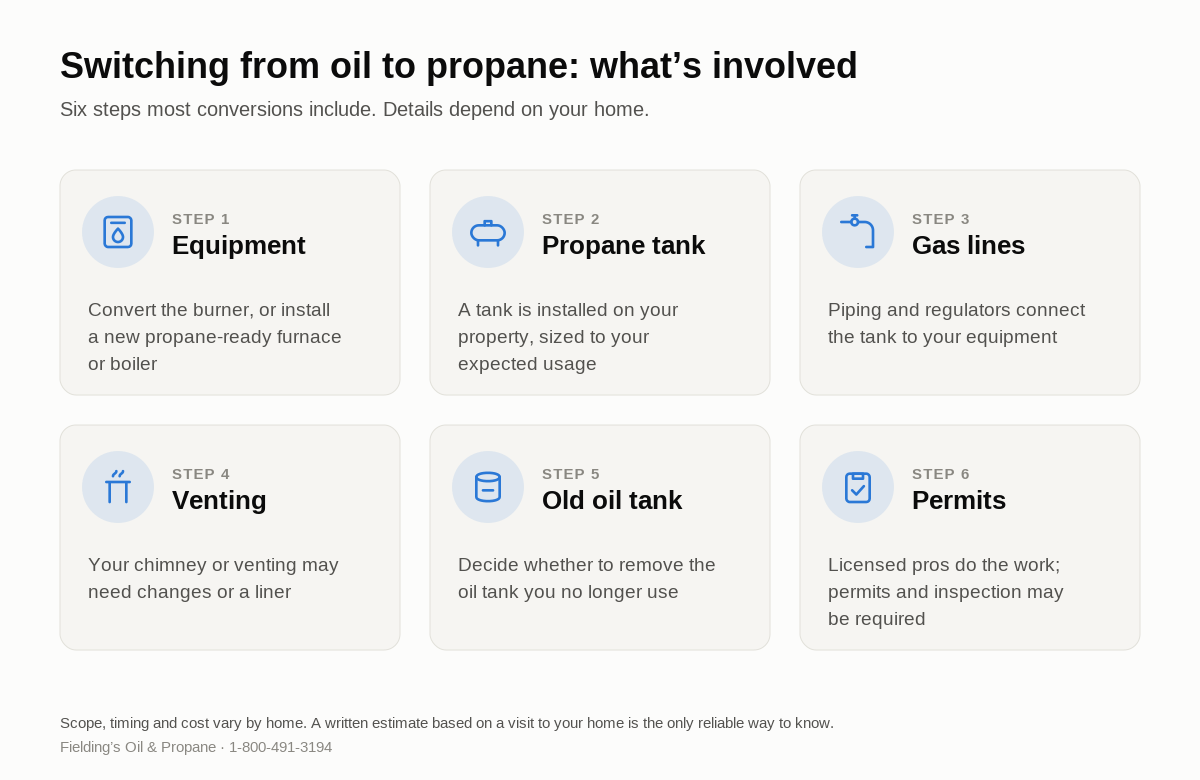
The details depend on your home, but most conversions include some combination of these steps:
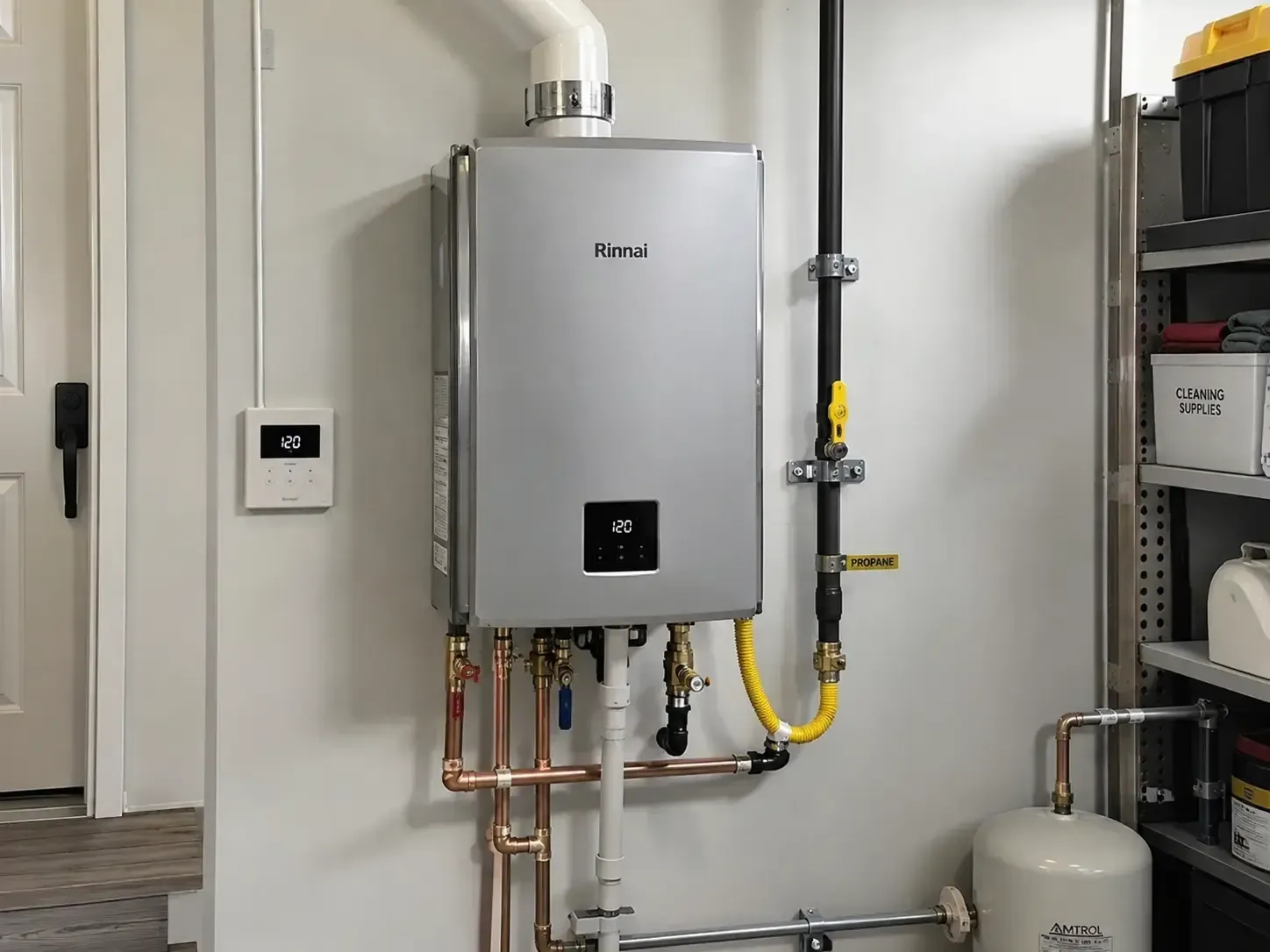
- Equipment. In some cases, you can replace the oil burner with a propane burner. Often it makes more sense to install a new propane-ready furnace or boiler, especially if your current equipment is older.
- A propane tank. A tank is installed on your property, and the location and size depend on your usage and local requirements.
- Gas lines and regulators. A qualified technician runs gas piping from the tank to your equipment and installs the necessary regulators and safety components.
- Venting. Because propane systems vent differently than oil, you may need to change or line your chimney or venting.
- Your old oil tank. If you're no longer using oil, you'll need to decide what to do with the tank. Removing an above-ground or basement tank is common, and underground tanks are a bigger job.
- Permits and inspections. Licensed professionals generally do the work, and it may require permits and an inspection.
What Affects the Cost?
We can't give you a single number because costs vary from house to house. The biggest factors are whether you replace your furnace or boiler or convert the existing one, the size and placement of the propane tank, the length and difficulty of the gas piping run, whether chimney venting needs work, and whether you're removing an old oil tank. A written estimate based on a visit to your home is the only reliable way to know.
It's also worth thinking about the full picture beyond the installation price: your expected fuel use, your equipment's efficiency, and how a propane delivery plan or price protection might fit your budget.
Timing: Why Sooner Is Easier
Conversions are easiest to schedule in the fall, before the coldest weather, when crews have more availability, and your home still has working heat. If your current system is already struggling, don't wait for a January failure. A no-heat emergency leaves fewer choices and less time to compare options.
Questions to Ask Before You Switch
- What is the total installed cost, and what's included?
- Will my existing furnace or boiler convert, or do I need new equipment?
- How long will the work take, and will I be without heat?
- Does my chimney need relining or other venting changes?
- What happens to my old oil tank?
- What are the delivery, price protection, and budget plan options for propane?
Conclusion
Switching from oil to propane can make sense, especially if your equipment is aging or you want more predictable fuel costs. It's also a project worth planning, with clear answers on equipment, tank, venting, and total cost. If you're thinking about it, call Fielding's at
1-800-491-3194 to talk through your options before the cold weather arrives.
Contact Fielding's Oil & Propane