Heat pumps have become a common sight on Maine and New Hampshire homes. Efficiency Maine estimates that more than 200,000 have been installed in the state over the past decade, and electric heat is growing fastest in places like Cumberland County. Still, heating oil remains Maine's most common heat source, used by roughly 55% of households. For many homeowners, the question isn't "heat pump or fuel?" It's whether using both makes sense.
What Is a Hybrid (Dual-Fuel) Heating Setup?
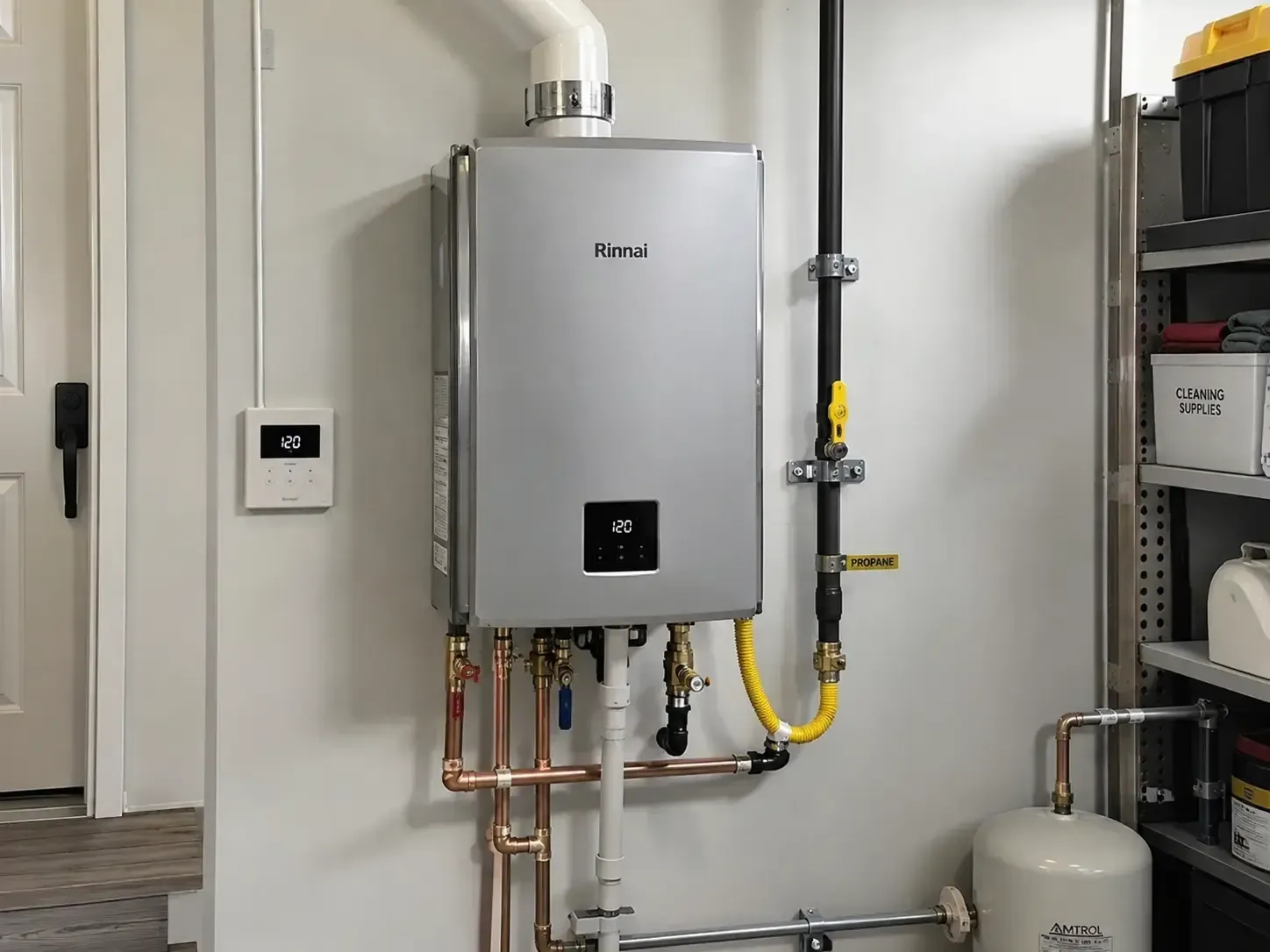
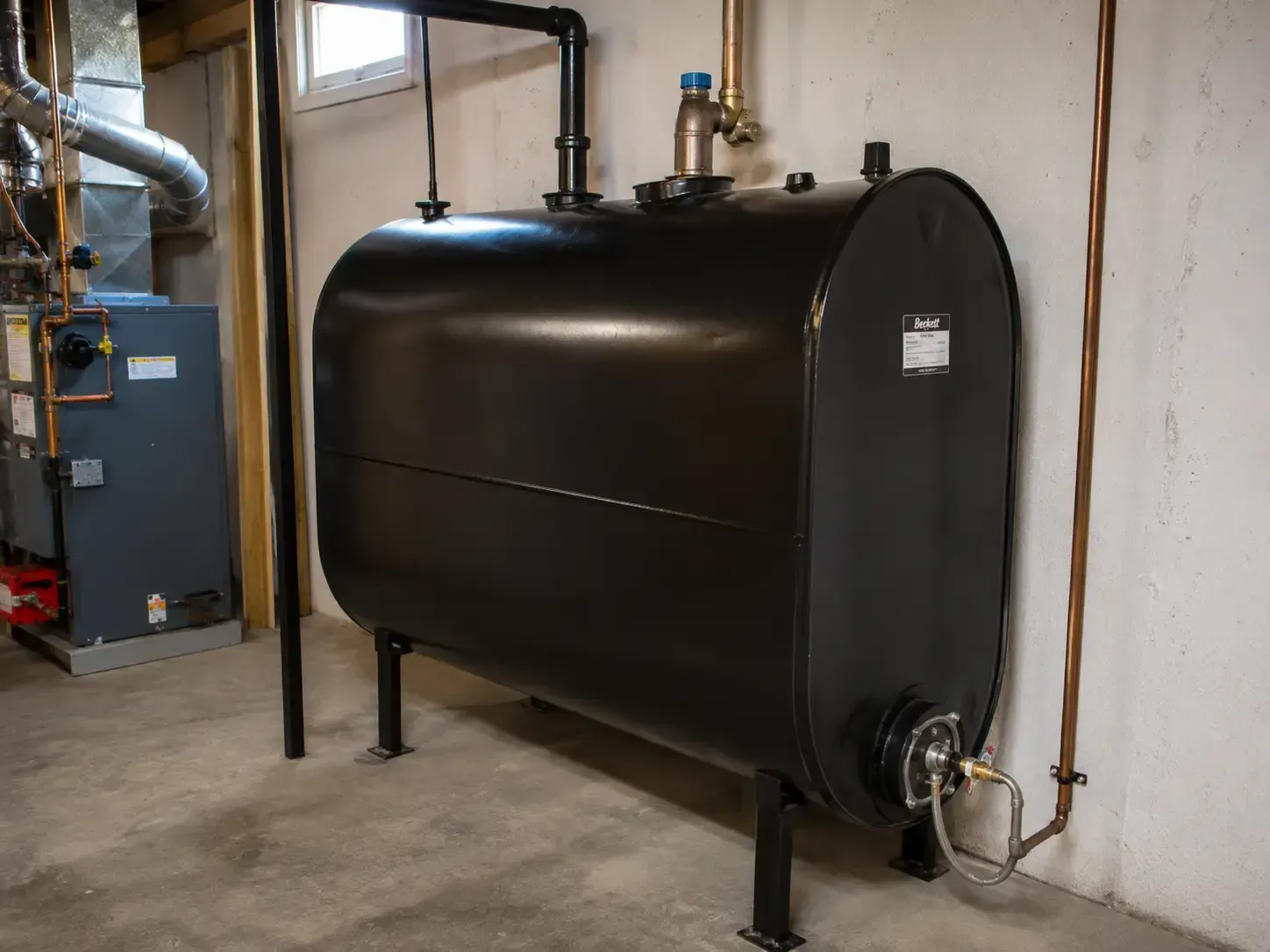
A hybrid setup pairs a heat pump with a fuel-burning system, such as an oil furnace or boiler, or a propane furnace or boiler. The heat pump handles day-to-day heating and cooling, and your oil or propane system takes over when it's needed most, such as during the coldest stretches of the winter or if the heat pump can't keep up.
Some homes set this up with controls that switch between the two automatically based on outdoor temperature. Others simply keep the existing system as backup and run the heat pump as the primary source. The right approach depends on your home, your equipment, and your comfort preferences.
Why Homeowners Choose a Hybrid Approach
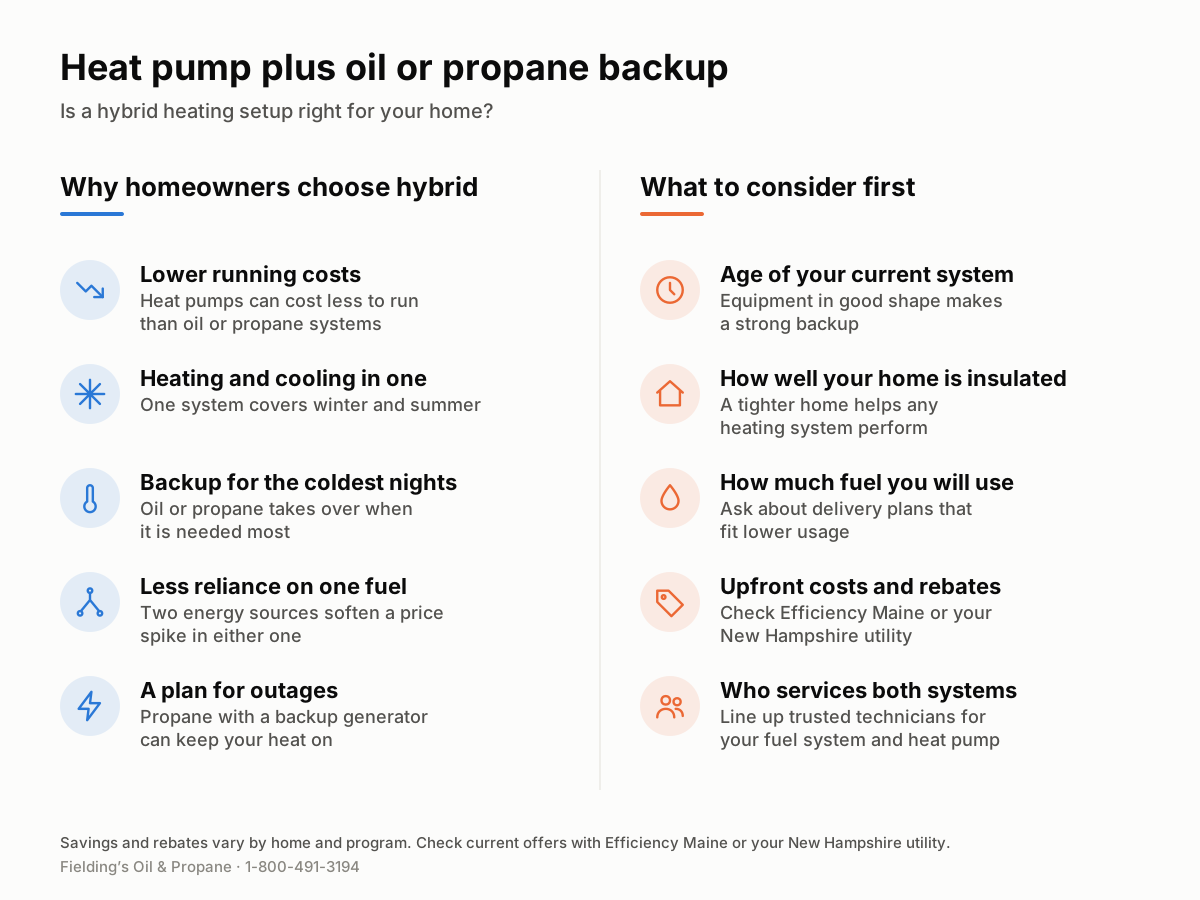
- Lower running costs on milder days. Efficiency Maine reports that heat pumps can cost less to run than oil, propane, or kerosene systems. Using one for much of the season can reduce how much fuel you buy.
- One system for heating and cooling. A heat pump does both, which many homeowners appreciate in summer.
- Backup for the coldest weather. Even cold-climate heat pumps lose capacity as temperatures fall. A fuel-burning system gives your home a reliable second source on the coldest nights.
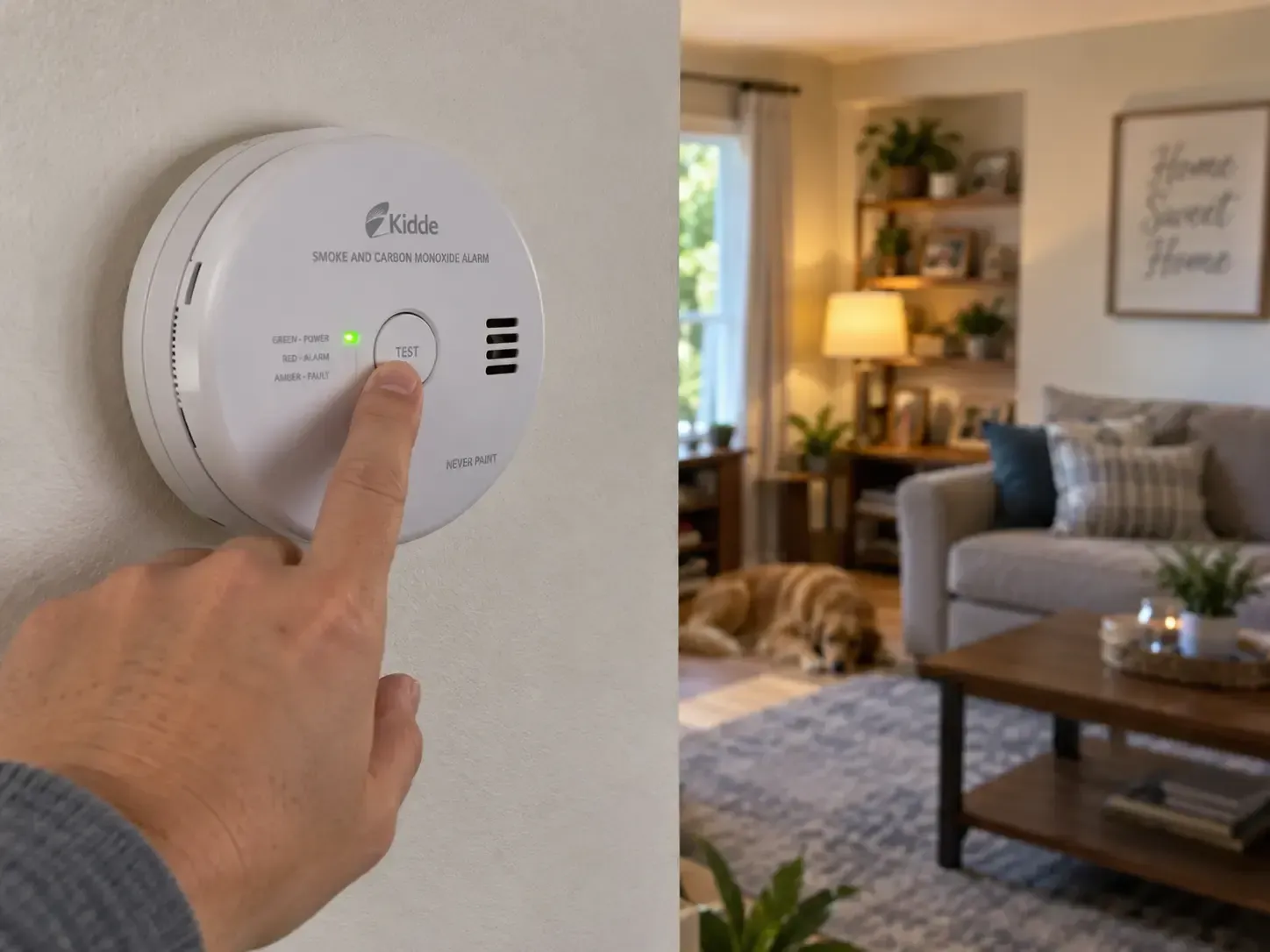
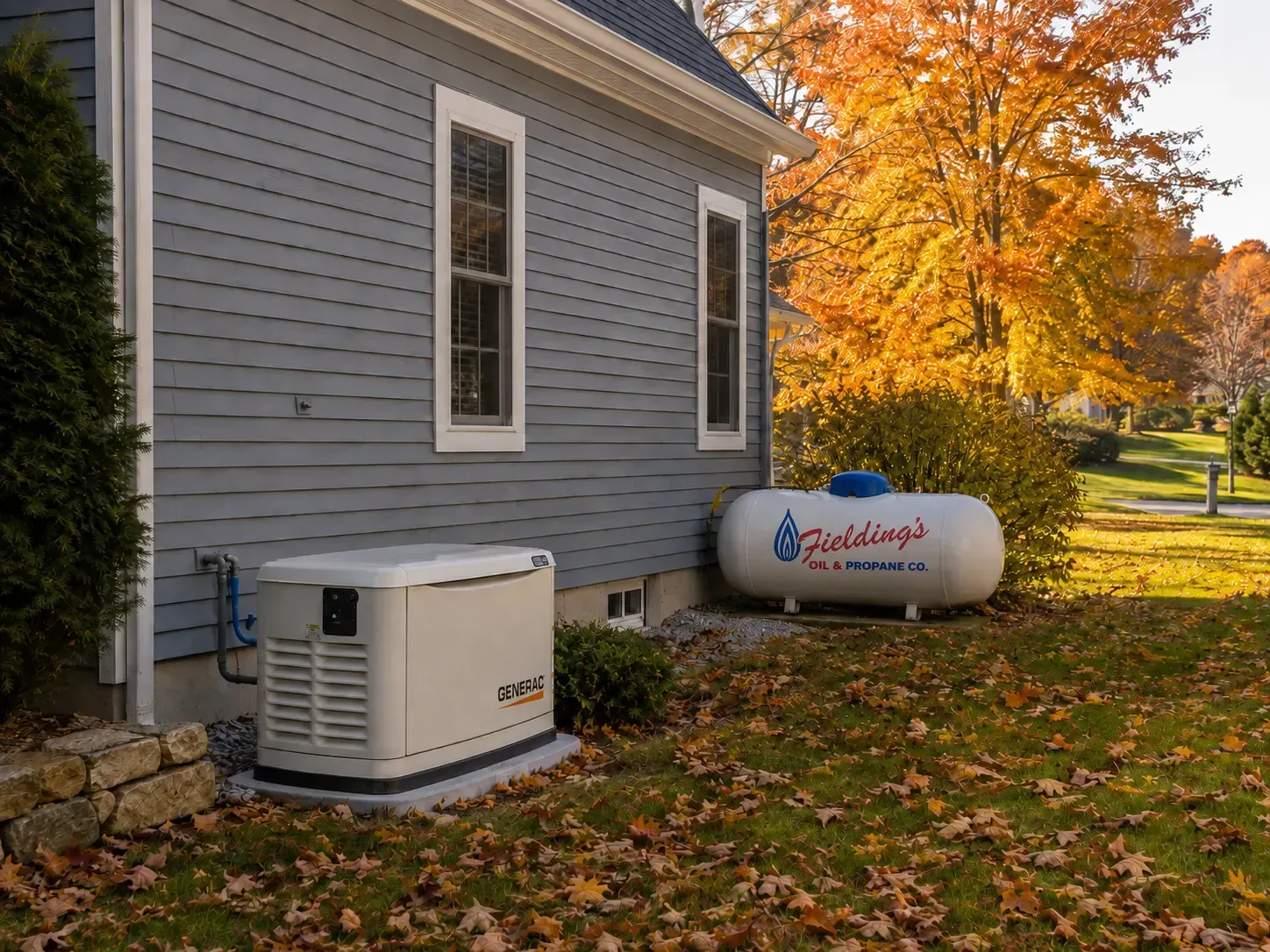
- Protection if the power goes out. A heat pump needs electricity. Many oil and propane systems still need power to run controls and blowers, but a propane system paired with a backup generator can keep a home heated through an outage.
- Less reliance on any single fuel. Using two energy sources can soften the impact of a price spike in either one.
Things to Think About Before You Decide
A hybrid setup isn't right for every house. A few honest questions to ask:
- How old is your current system? If your oil or propane equipment is in good shape, keeping it as backup can make a lot of sense. If it's near the end of its life, you may be weighing a replacement either way.
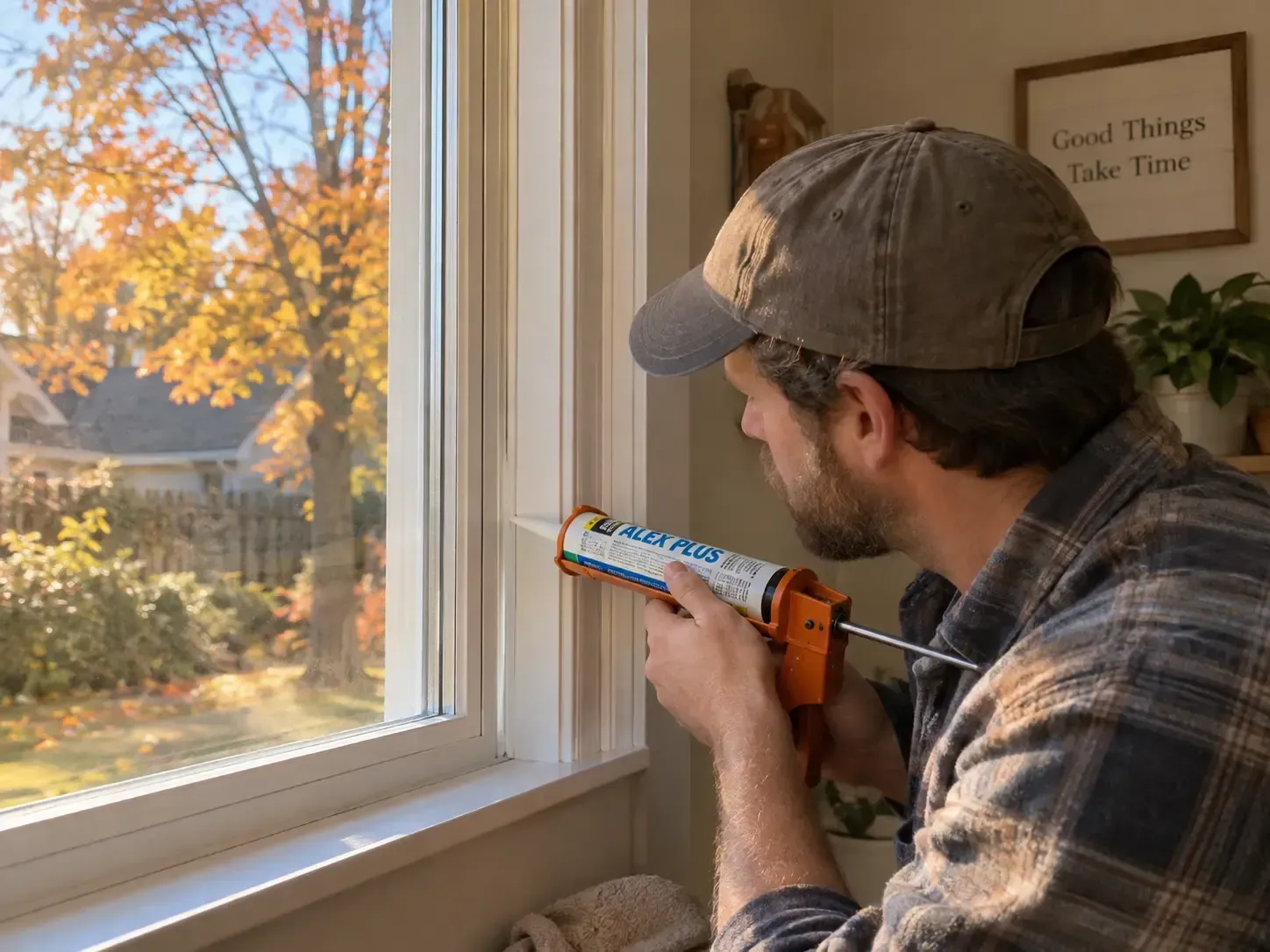
- How well is your home insulated? A tighter home is easier for any heating system to keep warm, and it helps a heat pump perform better.
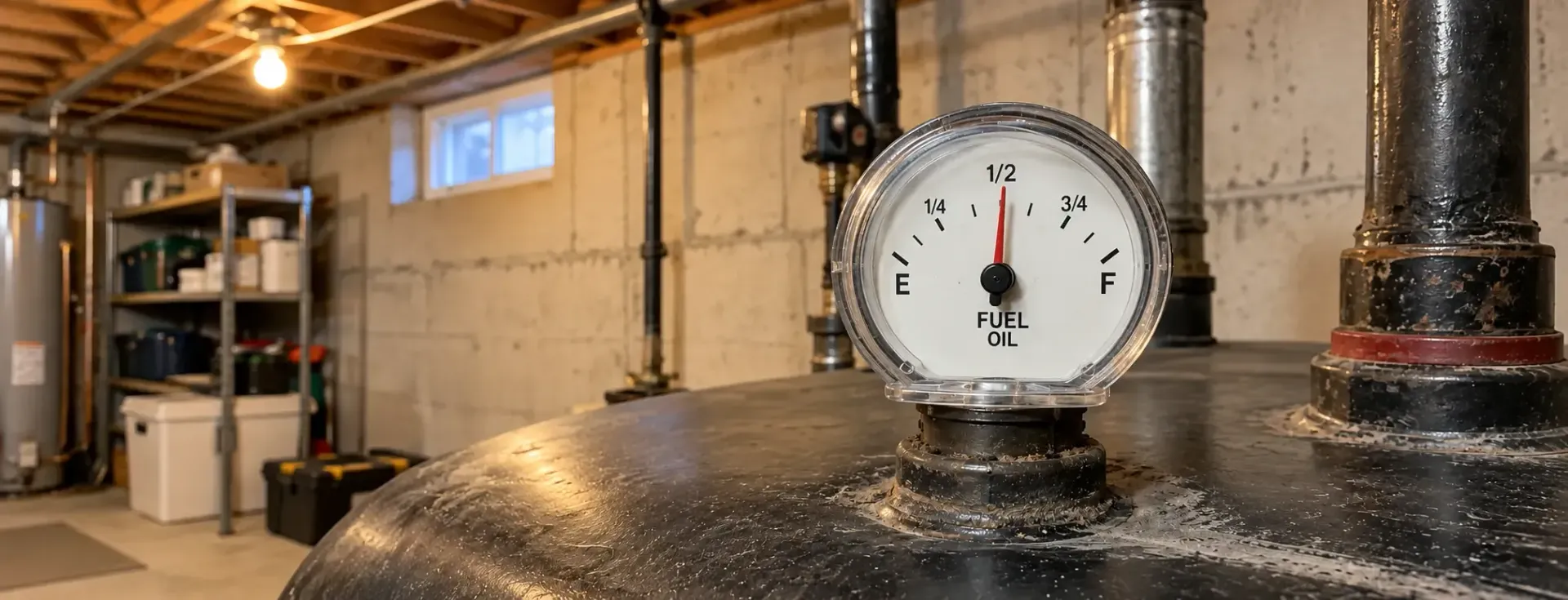
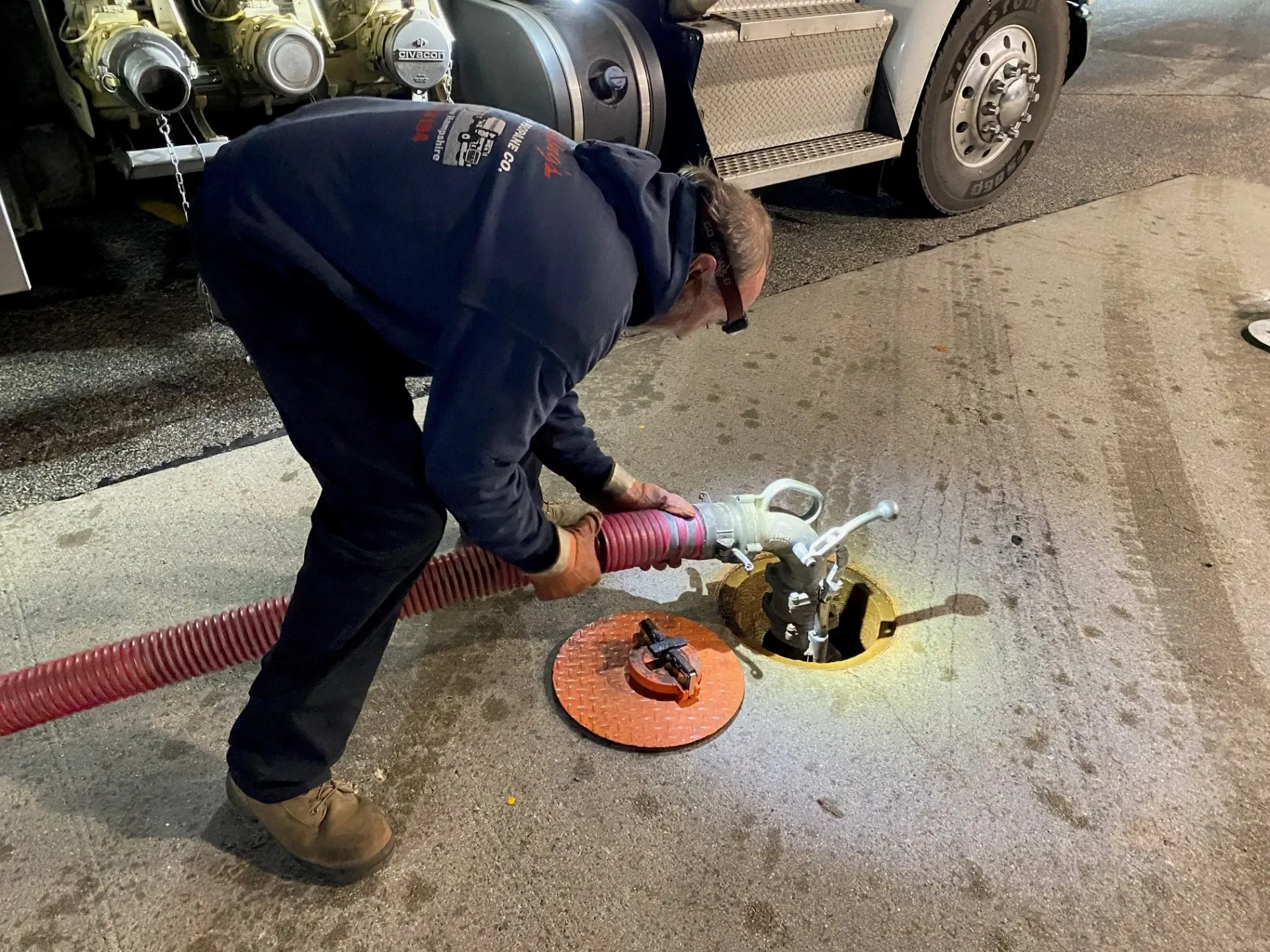
- How will you use your fuel? If a heat pump covers much of your heating, you'll burn less oil or propane. Ask about delivery options that fit lower usage, so you're not left with fuel sitting in a tank for too long.
- What are the upfront costs and incentives? Rebates and programs change often. Check with Efficiency Maine or your New Hampshire utility for what's currently available.
- Who will service both systems? Make sure you have a trusted technician for your fuel equipment and an installer you trust for the heat pump.
How Fielding's Fits In
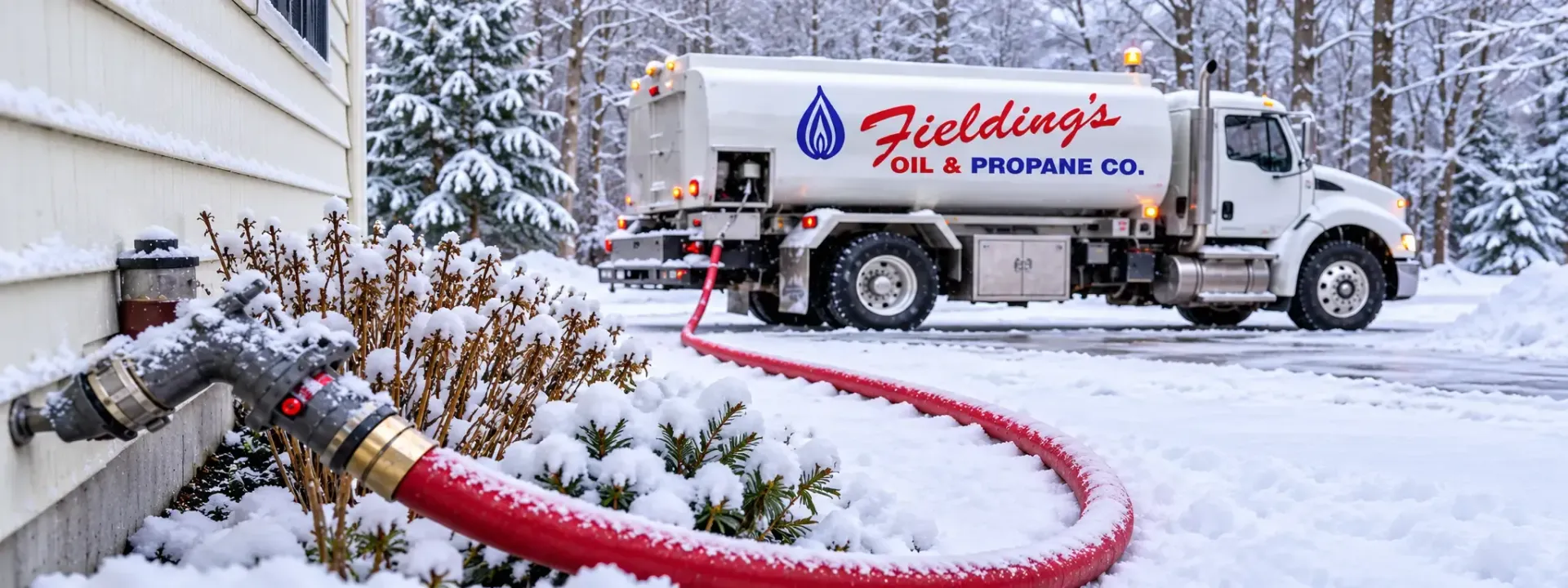
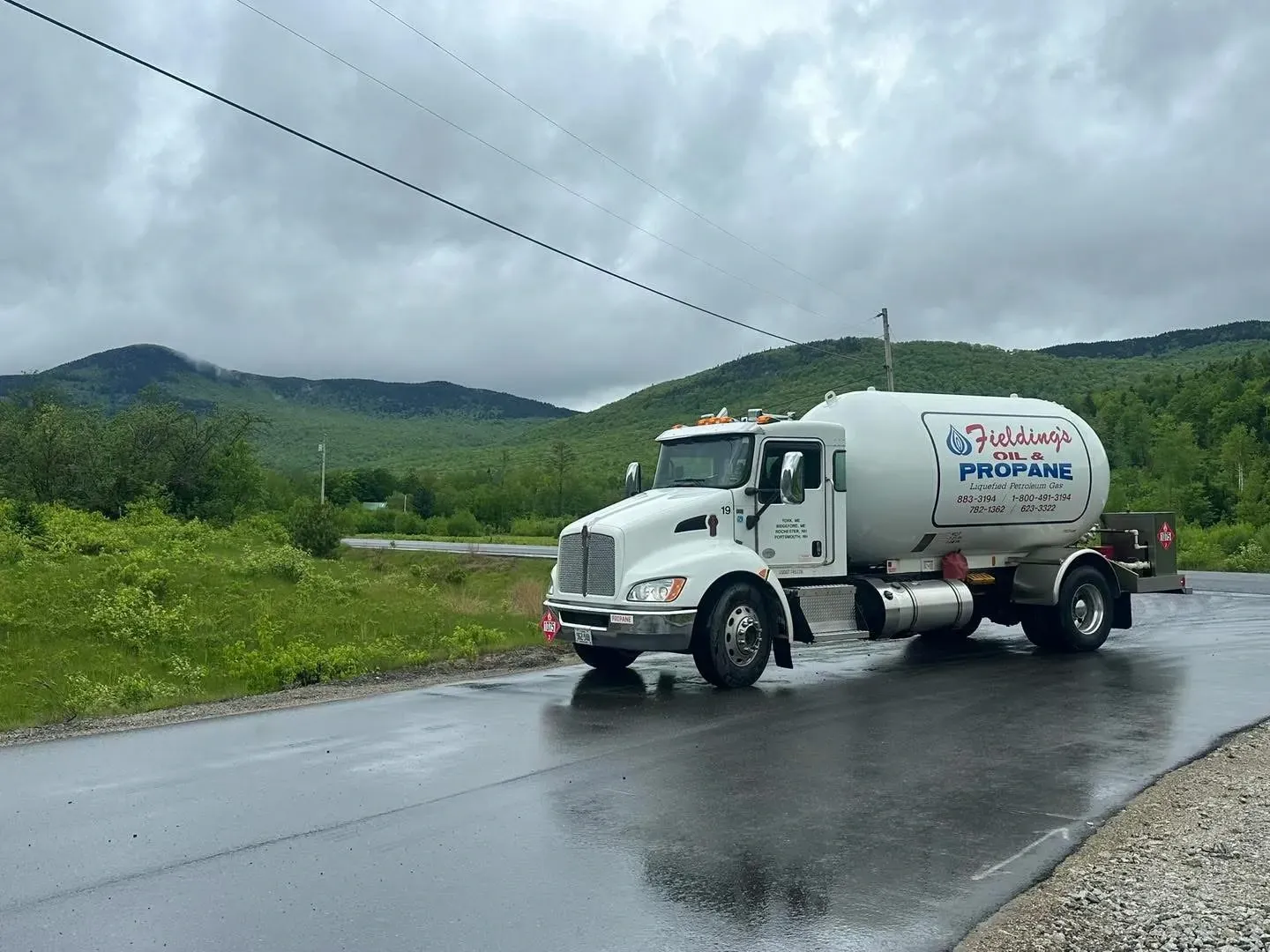
If you decide to add a heat pump, you don't have to get rid of your oil or propane system. Keeping it maintained and your tank filled gives you a dependable backup when you need it. Annual burner service helps make sure the system works when the heat pump can't carry the load, and a delivery plan matched to your lower usage keeps your tank ready without overbuying.
Conclusion
A heat pump and an oil or propane system can work well together, giving you lower running costs on many days and a dependable backup when winter turns harsh. If you're weighing a heat pump for your home, talk it through before you decide what to keep. Call Fielding's at
1-800-491-3194 to ask about service for your existing system and delivery plans that fit a hybrid setup.