Every October, the National Fire Protection Association marks Fire Prevention Week — this year, October 4th through 10th — as a reminder to check the things around the house that are easy to overlook the rest of the year. For Maine and New Hampshire homeowners, that reminder lands at exactly the right moment: right before oil and propane heating systems start running regularly for the season. A few simple checks now can make a real difference in how safely your home heats all winter.
Why Fire Prevention Week Is a Good Cue for Heating Safety
Heating equipment is a leading contributor to home fires nationally, and much of the risk comes down to maintenance that's easy to put off — a burner that hasn't been serviced, a chimney that hasn't been checked, or a carbon monoxide detector with an expired battery. Fire Prevention Week doesn't have to be about your specific heating fuel to be a useful nudge: it's a well-known, dated reminder to walk through your home's fire and CO safety basics before the furnace or boiler runs every day.
Schedule a burner inspection or service
Carbon Monoxide Safety Basics for Oil & Propane Homes
Both oil and propane heating systems produce combustion byproducts that need to vent properly. When they don't — due to a blocked flue, a cracked heat exchanger, or a failing burner — carbon monoxide can build up indoors without any obvious smell or sign. A few basics every homeowner should have in place:
- A working CO detector on every level of the home, especially near sleeping areas, tested monthly and with batteries replaced at least once a year.
- CO detectors replaced entirely every 5–7 years, since the sensors inside them degrade over time even if the alarm still "works."
- Keep vents and chimneys clear of nests, debris, or damage that could block proper exhaust.
- Awareness of CO poisoning symptoms — headache, dizziness, nausea, and confusion — which can be easy to mistake for the flu.
If a CO detector ever sounds, treat it as an emergency: get everyone outside into fresh air immediately and call for help before trying to investigate the cause yourself.
A Pre-Winter Heating System Safety Checklist
Before your heating system settles into daily winter use, it's worth working through a short safety checklist:
- Schedule a burner or boiler inspection if it hasn't been serviced this year — this is the single most effective step for both safety and efficiency.
- Test every smoke and CO detector in the home and replace any batteries or units that are due.
- Clear the area around your furnace, boiler, or burner of stored boxes, paper, or anything flammable.
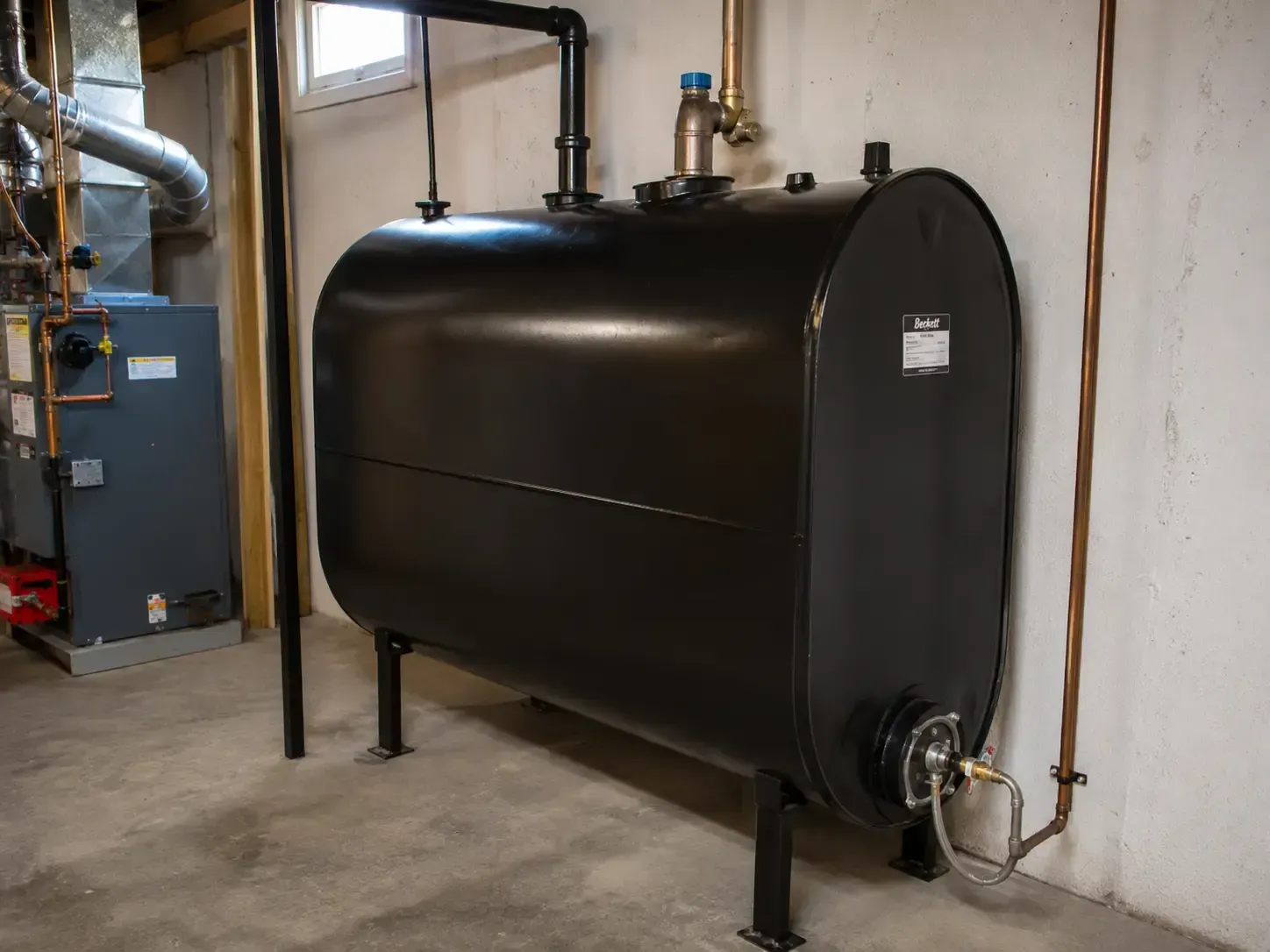
- Check your tank and fuel lines for visible damage, rust, or leaks (see our guide on when it's time to replace an aging oil tank).
- Confirm your chimney or vent pipe is unobstructed, especially after storms or fall leaf drop.
- Know your emergency shut-off for both your heating system and fuel supply, in case you ever need it quickly.
Request a service visit before winter
When to Call for Emergency Service
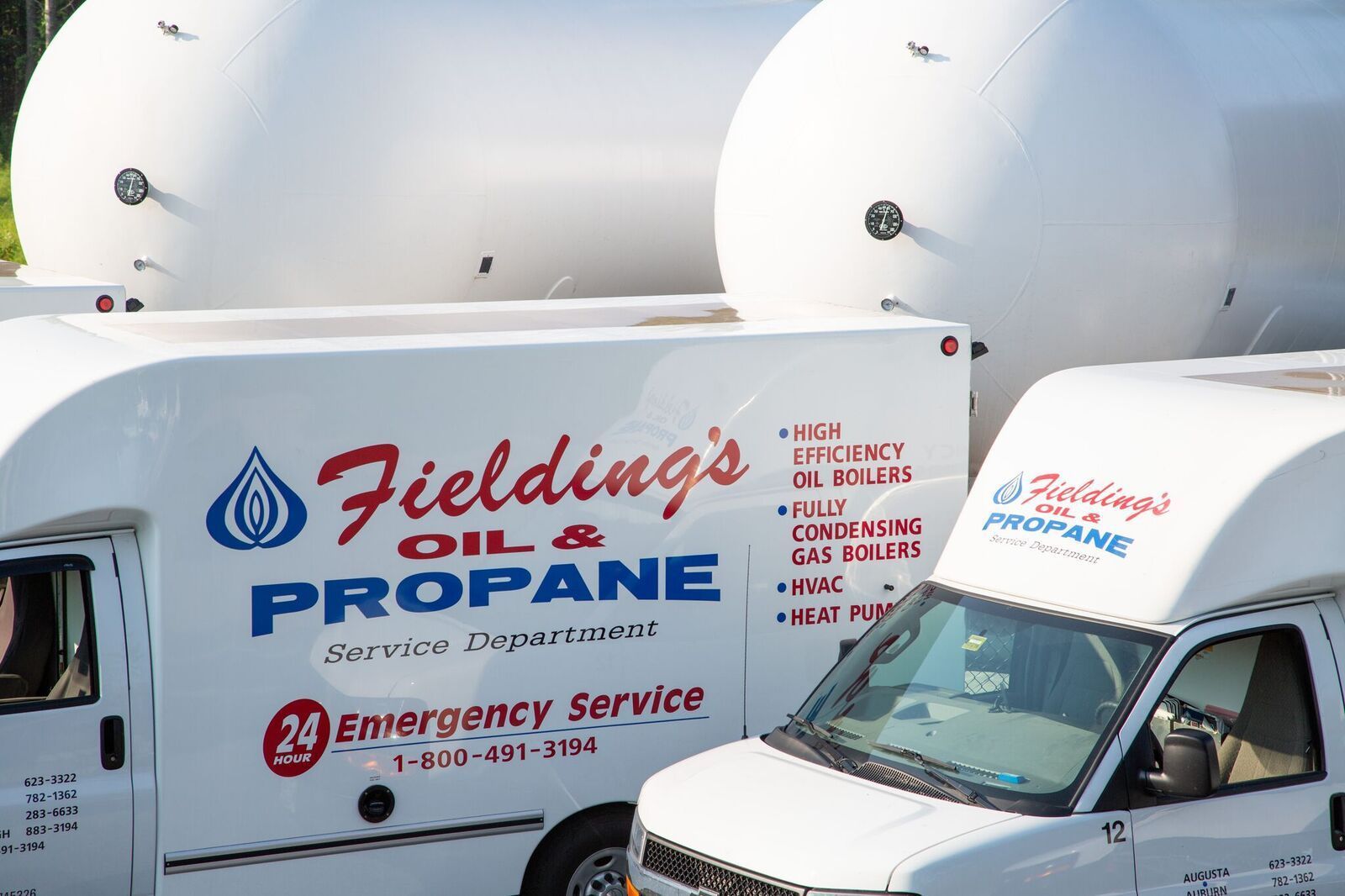
Some situations shouldn't wait for a routine appointment. Call for emergency service right away if you notice a fuel odor, see visible flames or scorch marks near your equipment, hear unusual sounds from your burner, or if a CO detector alarms. Fielding's provides 24/7 emergency burner service for exactly these situations.
Fielding's 24/7 Emergency Services
Conclusion
Fire Prevention Week is a small, easy-to-remember cue for a check that matters far beyond one week in October. Test your detectors, clear the area around your equipment, and if it's been a while since your burner was serviced, use this as the reminder to get it done before the coldest months arrive. Call Fielding's at
1-800-491-3194 to schedule a service visit.
Contact Fielding's Oil & Propane