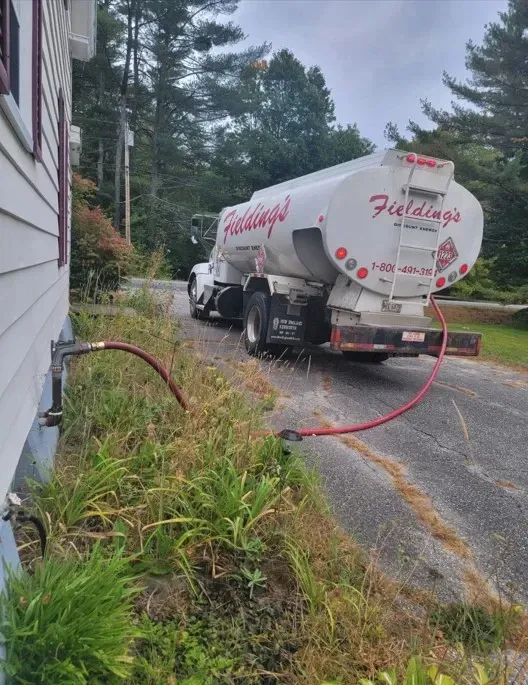
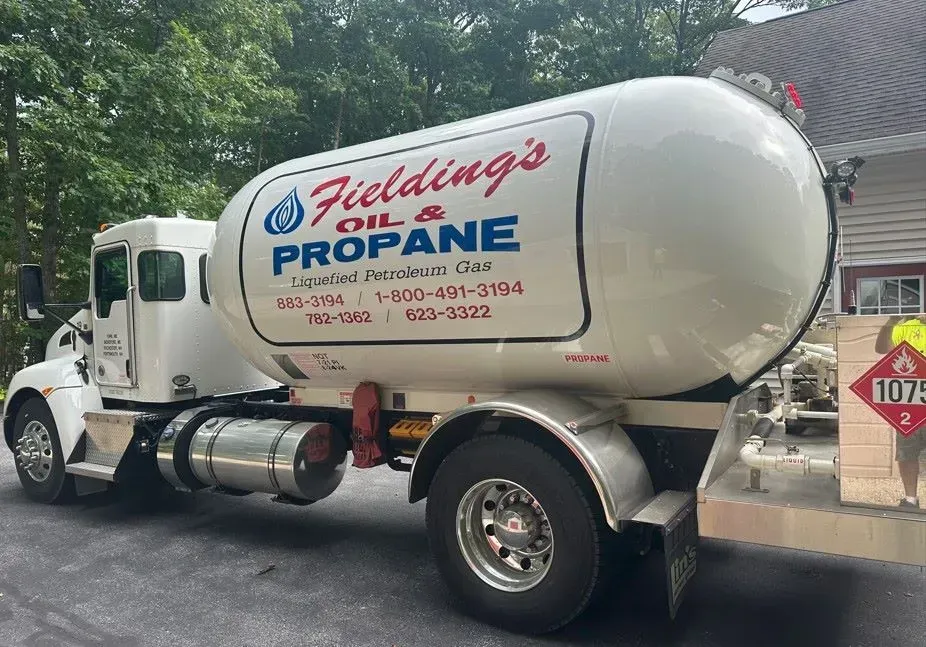
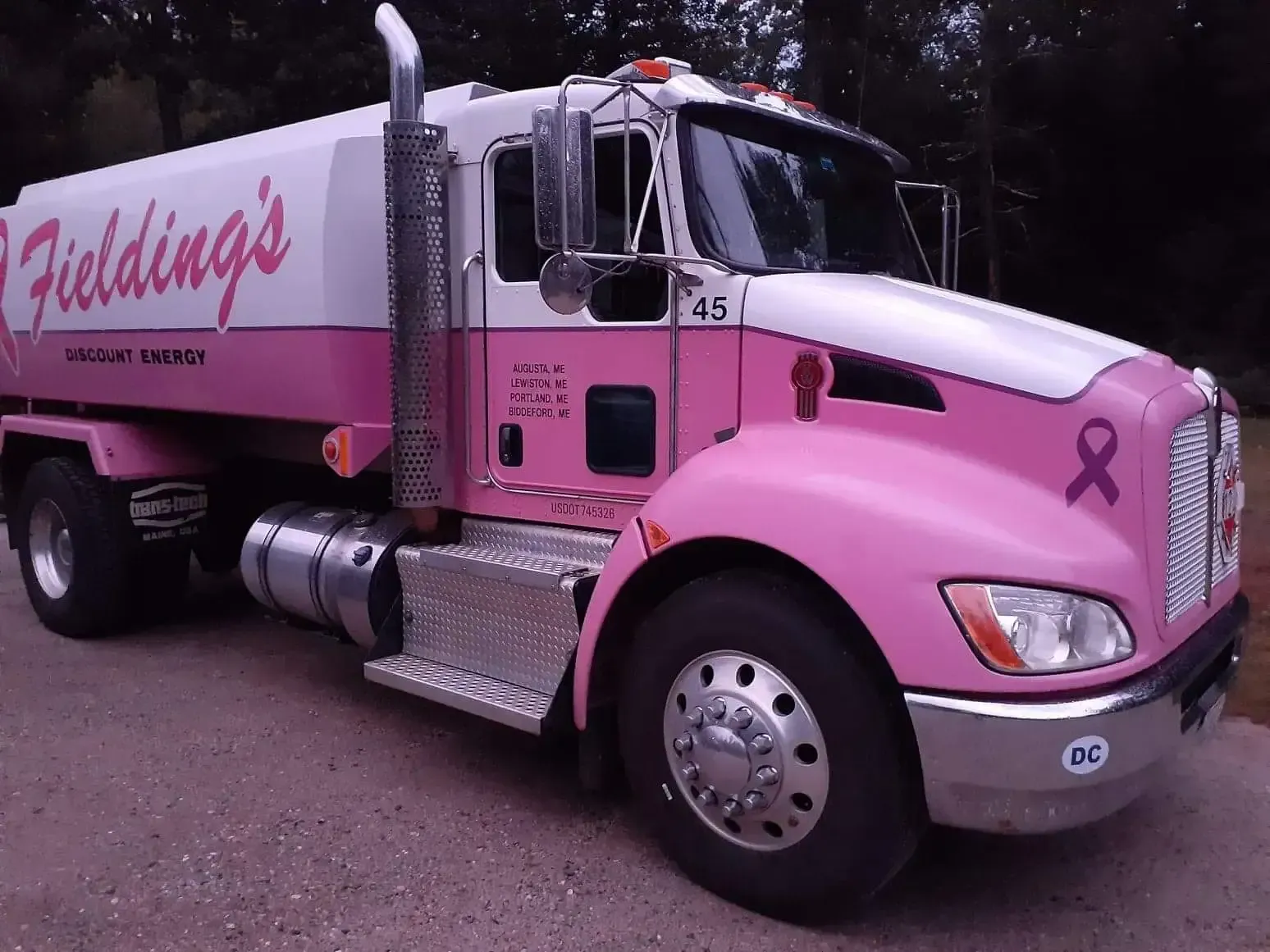
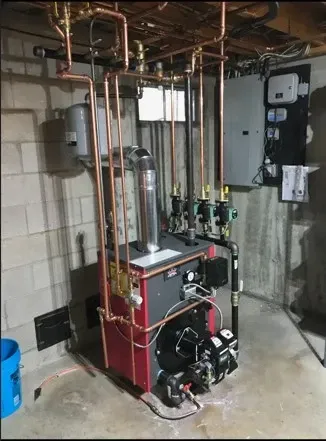
Most homeowners think about their furnace or burner long before they think about the tank feeding it — until a leak, a failed inspection, or an insurance letter forces the issue. Unlike a burner tune-up, tank problems don't announce themselves loudly, and by the time you see a leak, you may already be dealing with an oil spill cleanup on top of a replacement. Early fall, before the heating season ramps up, is the ideal time to have your tank checked.
How Long Does a Heating Oil Tank Actually Last?
Tank lifespan varies by material, installation type, and conditions, but there are some general rules of thumb:
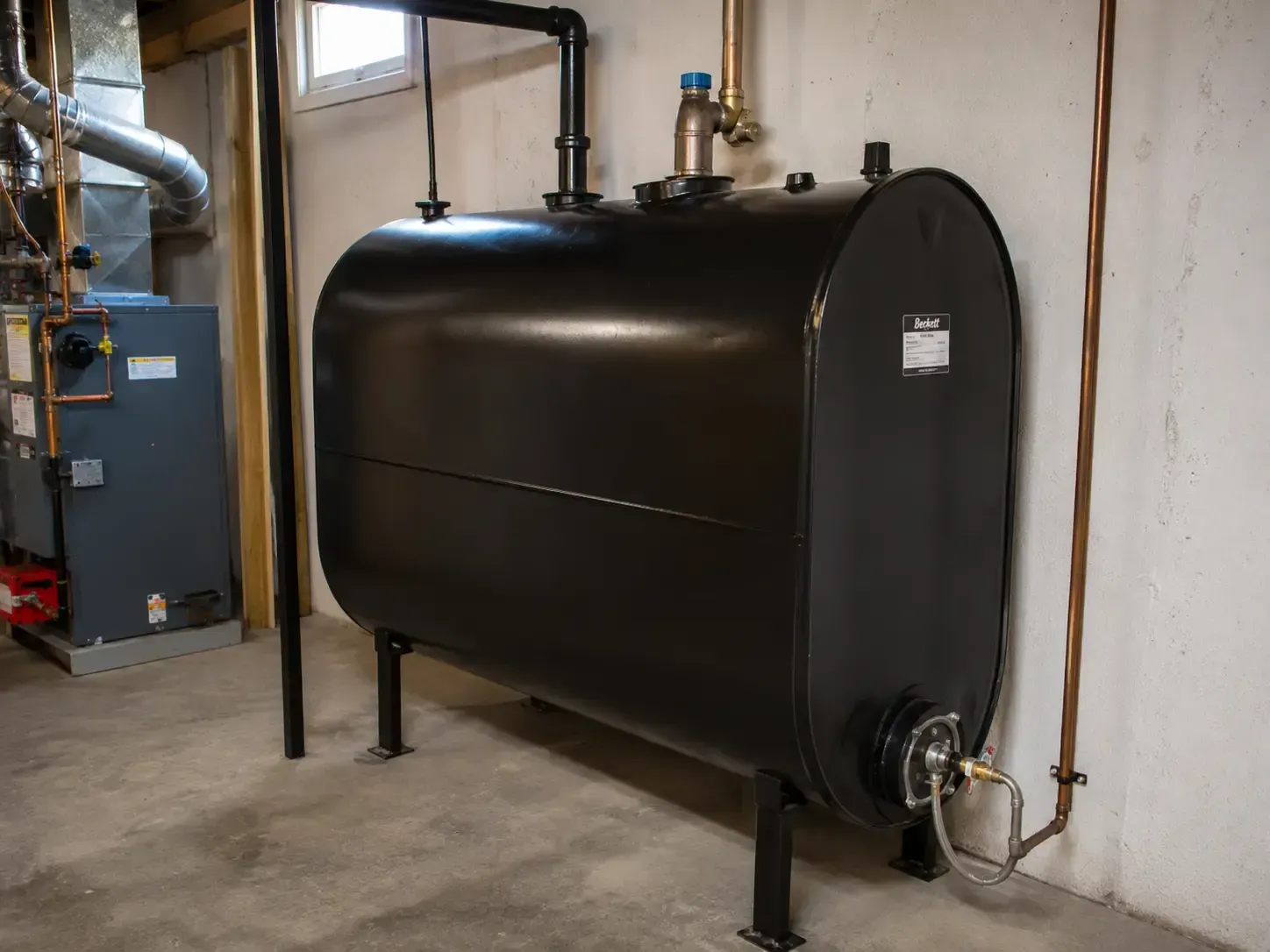
- Indoor steel tanks typically last 15–20 years under normal conditions.
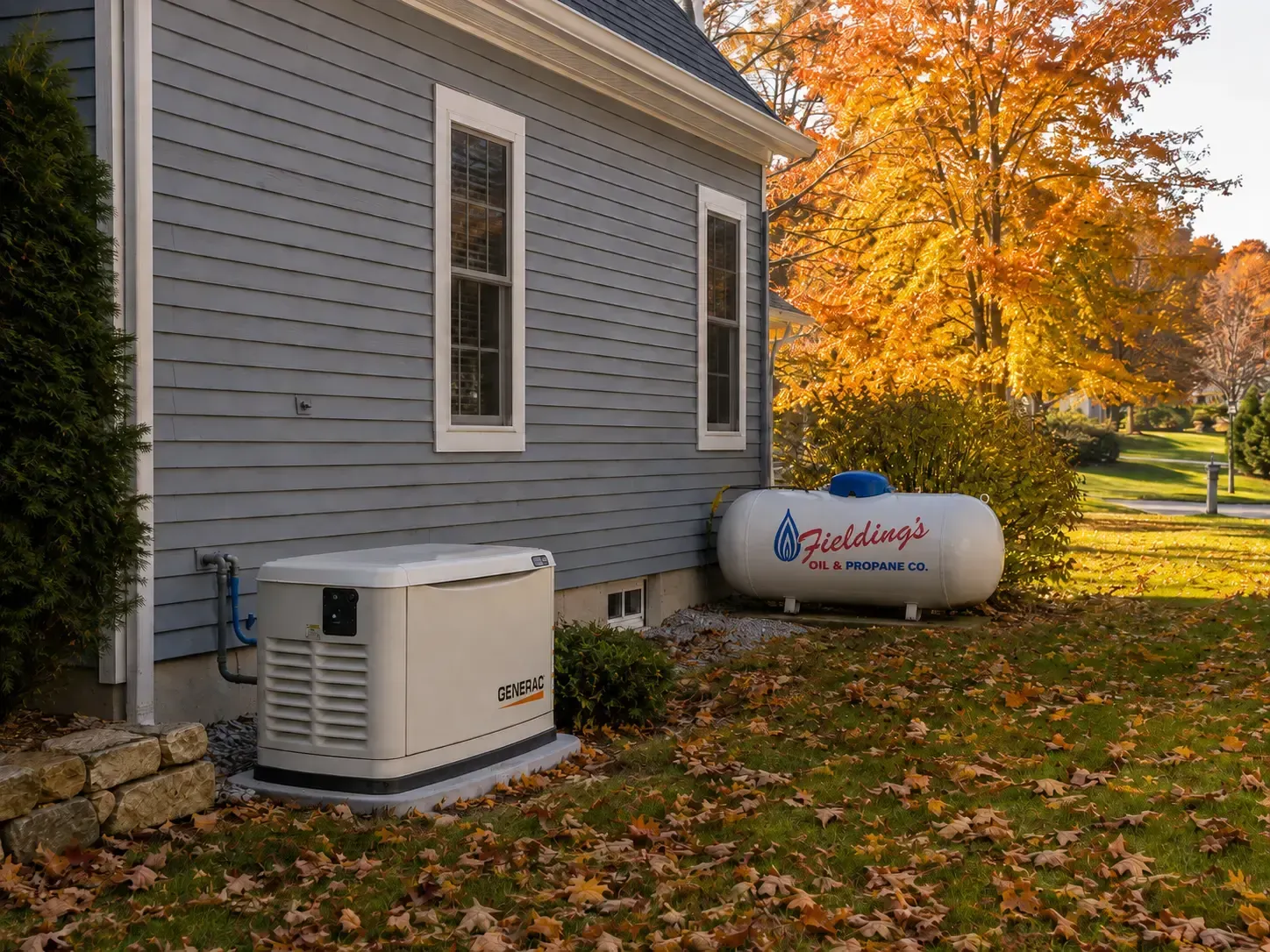
- Outdoor above-ground tanks are exposed to weather and temperature swings and often have a shorter service life than indoor tanks.
- Underground tanks are the most prone to corrosion from surrounding soil and moisture, which is why many states and insurers now discourage or restrict them in favor of above-ground installations.
These are general guidelines, not guarantees — a tank installed in a damp basement or exposed to road salt and moisture can fail well before these ranges, while a well-maintained indoor tank in ideal conditions can sometimes outlast them. The only way to know your specific tank's condition is a physical inspection.
Warning Signs Your Oil Tank May Need Replacing
Keep an eye out for the following, and call for an inspection if you notice any of them:
- Rust or corrosion, especially at seams, the bottom, or around fittings.
- Dents or dings in the tank body, which can weaken the metal even if there's no visible leak yet.
- Wet spots, staining, or an oily odor near the tank — even a small amount of weeping can indicate a developing leak.
- A tank gauge that behaves oddly or fuel usage that doesn't match your deliveries.
- Visible pitting on the tank's surface, a precursor to a pinhole leak.
- Age alone — even a tank with no visible issues is worth a closer look once it's approached or passed the upper end of its typical lifespan.
If you see active leaking, shut off the supply valve if it's safe to do so and call for emergency service right away — a slow leak can become an expensive cleanup very quickly.
Fielding's 24/7 Emergency Services
Indoor, Outdoor, and Underground Tanks: What's the Difference?
- Indoor tanks (typically in a basement or utility area) are protected from weather, which generally helps them last longer, and leaks are often caught sooner since they're in a visible, accessible space.
- Above-ground outdoor tanks are exposed to sun, rain, snow, and temperature swings, which can accelerate wear on the tank exterior and fittings.
- Underground tanks are largely a legacy installation type in most of New England today. Because soil contact accelerates corrosion and leaks are much harder to detect until contamination has already occurred, many homeowners with older underground tanks choose to have them decommissioned and replaced with an above-ground or indoor tank instead.
Insurance & Home Sale Considerations
It's increasingly common for homeowners insurance policies to ask about the age, material, and location of a home's oil tank, and some insurers restrict coverage for tanks past a certain age—particularly underground tanks. If you're planning to sell your home, a home inspector or buyer's insurer may flag an aging tank as well. If you're not sure what your policy requires, it's worth a quick call to your insurance agent, along with a tank inspection.
What to Expect When Fielding's Replaces Your Tank
Fielding's provides fuel tank services as part of its full-service approach to heating oil customers. A typical tank replacement generally involves:
- An inspection to assess the current tank's condition and confirm replacement is the right call.
- Scheduling the work at a time that minimizes disruption to your heating.
- Safe removal of the old tank, including any remaining fuel.
- Installation of the new tank, sized and located appropriately for your home.
- Reconnecting your system and testing to confirm everything is operating properly before the crew leaves.
Request a Fielding's service
Because the process and cost depend on your tank's size, location, and accessibility, the best next step is having a technician take a look and give you a specific recommendation for your home.
Learn about Fielding's burner service
FAQ
How do I know if my oil tank is original to my house?
Check for a manufacturer date stamped on the tank, or ask Fielding's to inspect it — a technician can often estimate its age and condition even without paperwork.
Is a leaking oil tank an emergency?
Yes. Even a small leak can lead to costly environmental cleanup and potential fines. If it's safe to do so, shut off the supply valve and call for emergency service immediately.
Can I replace an outdoor tank with an indoor one, or vice versa?
Often, yes — the right choice depends on your home's layout, local code requirements, and personal preference. A technician can walk you through the options during an inspection.
Does homeowners insurance cover oil tank leaks?
Coverage varies significantly by insurer and policy, and many policies limit or exclude coverage for leaks from older or underground tanks. Check with your insurance agent directly, since a fuel supplier can't advise on this.
How much does it cost to replace a heating oil tank?
Cost depends on tank size, location (indoor, above-ground outdoor, or underground removal), and site accessibility. Fielding's can provide a specific estimate after inspecting your home.
Conclusion
A failing oil tank rarely gives much warning before it becomes a real problem — which is exactly why early fall is the right time for an inspection, before winter demand and cold weather make scheduling tighter. If it's been more than a decade since your tank was installed, or you've noticed any of the warning signs above, call Fielding's at
1-800-491-3194 to schedule a look before the season gets underway.