NA Homeowner's Guide to Preparing Your Fuel Tank and Furnace for a New England Winter
Simple checks now can mean a warmer, worry-free winter later.
New England winters don't ease in gently — one week you're raking leaves, the next you're scraping frost off the windshield. That fast turnaround makes early fall the ideal time to get your fuel tank and furnace ready, before the first real cold snap puts everything to the test. Here's a practical, room-by-room and tank-by-tank checklist to work through.
1. Inspect Your Fuel Tank
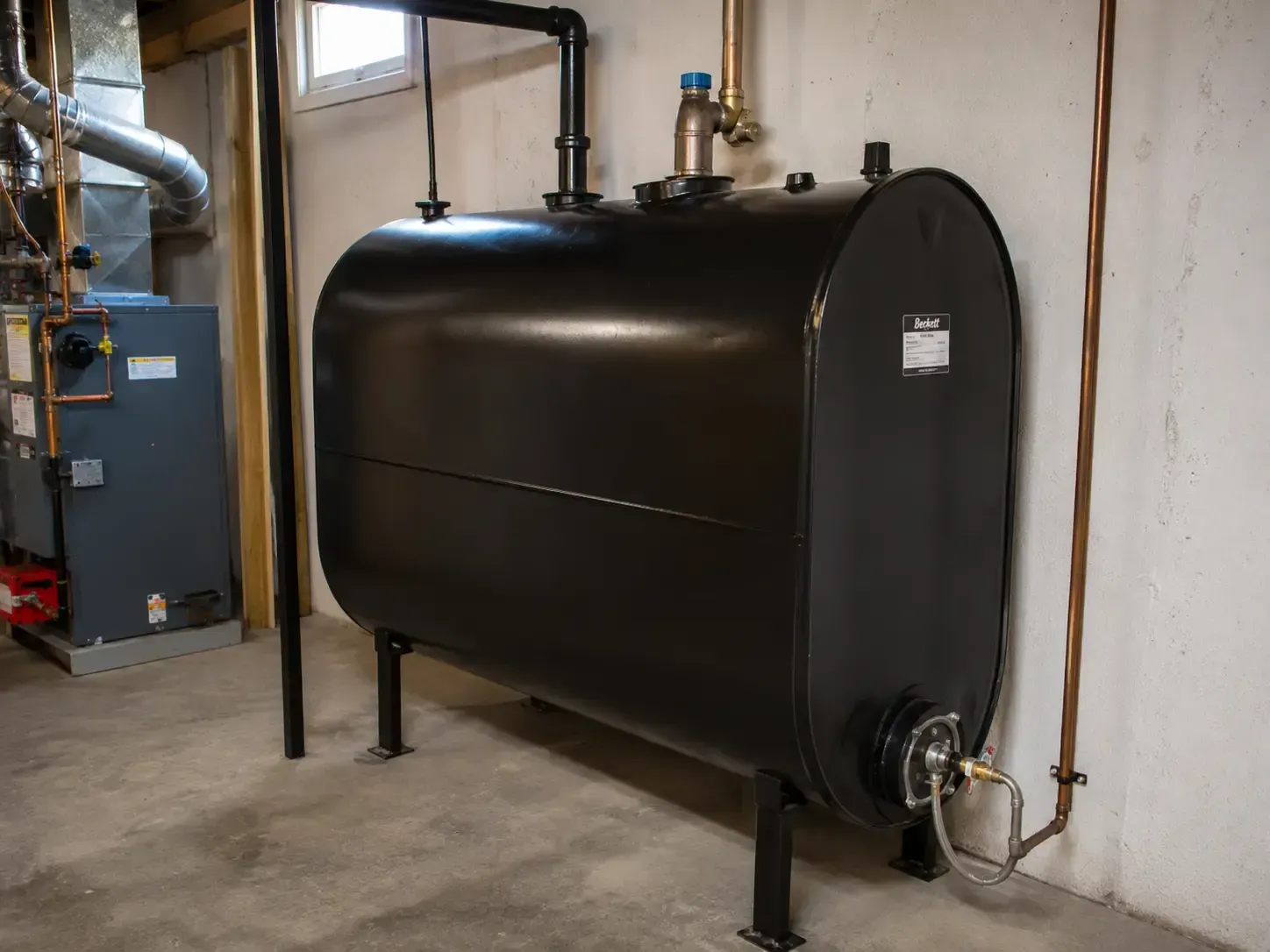
Whether you have an oil or propane tank, a quick visual inspection can catch small issues before they become big ones.
- Check for rust, dents, or corrosion, especially around the legs, seams, and bottom of the tank.
- Look for oil stains or wet spots around the base, which can indicate a slow leak.
- Check the fuel gauge to confirm it's reading accurately and get a sense of your current fuel level heading into the season.
- Inspect the fill pipe and vent alarm (for oil tanks) to make sure they're clear of debris, snow, and ice buildup as the season progresses.
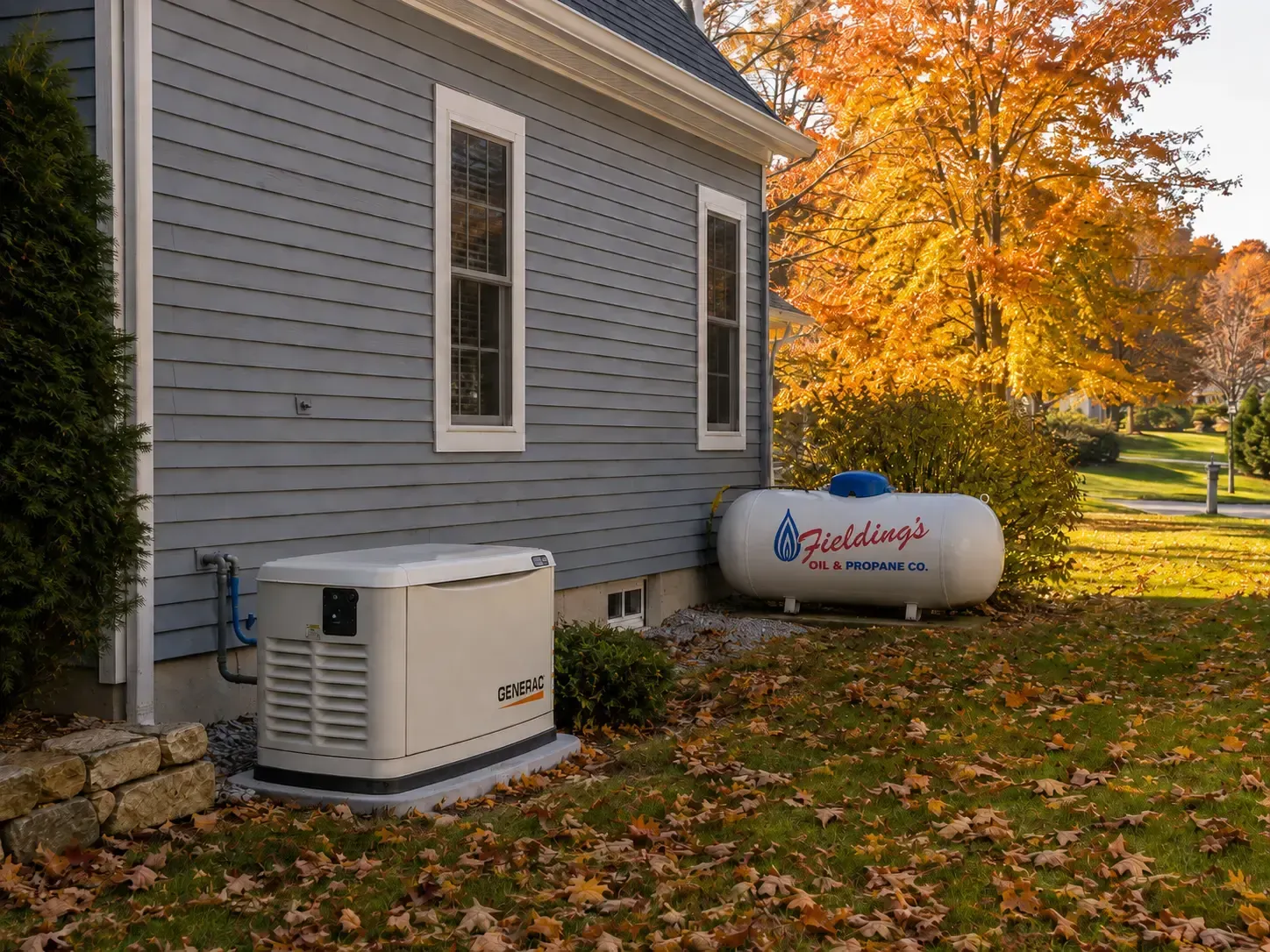
- For outdoor tanks, make sure the area around the tank is clear of leaves, brush, or anything that could interfere with delivery access once snow arrives.
If your tank is older or you notice signs of wear, it's worth having a professional take a look before winter rather than waiting for a problem to surface.
2. Schedule a Furnace Tune-Up
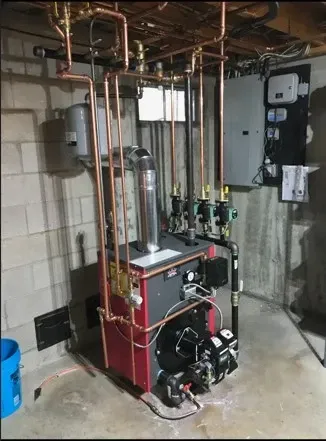
A burner that hasn't been serviced since last season is more likely to run inefficiently — or fail — right when you need it most. An annual tune-up typically includes:
- Cleaning the burner and nozzle
- Checking ignition and safety controls
- Inspecting the heat exchanger for cracks or soot buildup
- Testing efficiency and combustion
Beyond preventing breakdowns, a clean, well-tuned furnace burns fuel more efficiently — meaning more heat for every gallon delivered.
3. Check Your Thermostat and Zones
Before the heating season ramps up, test your thermostat to confirm it's working properly and holding temperature accurately. If you have a programmable or smart thermostat, this is also a good time to:
- Set a lower overnight temperature to save on fuel without sacrificing comfort
- Confirm any zoned heating areas are working independently as expected
- Replace thermostat batteries if applicable, so you're not caught off guard by a dead display in January
4. Insulate and Seal Where It Counts
Even the most efficient furnace works harder than it needs to in a drafty home. A few targeted fixes can meaningfully reduce heat loss:
- Weatherstrip doors and windows where you feel drafts
- Insulate exposed pipes, especially in unheated basements, crawl spaces, or garages, to prevent freezing
- Check attic insulation levels, since heat loss through the roof is one of the most common culprits behind high fuel bills
- Seal gaps around pipes, vents, and utility entry points where cold air can sneak in
5. Plan Your Fuel Delivery Ahead of Time
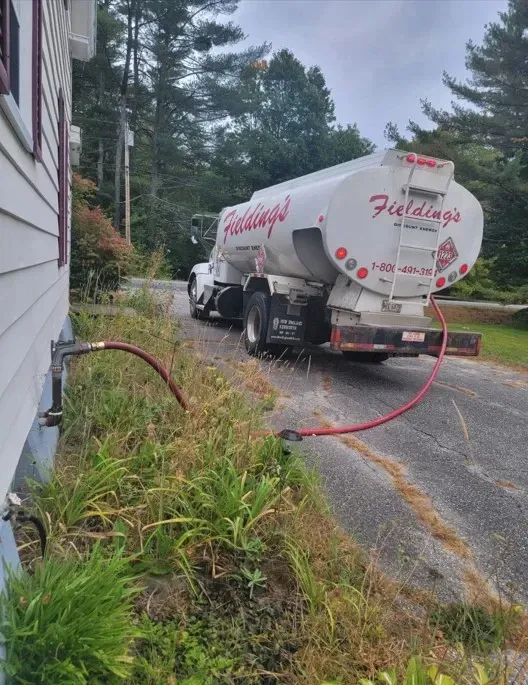
Don't wait until your tank is nearly empty to think about deliveries. As winter weather picks up, delivery schedules can shift due to storms or high demand. Consider:
- Signing up for automatic delivery, so you're never tracking the gauge yourself
- Reviewing price protection or budget plan options if you want more predictable costs for the season
- Knowing your minimum delivery requirements and average usage, so you can plan refills with enough lead time
6. Know Who to Call in an Emergency
Even with the best preparation, furnace issues can happen on the coldest night of the year. Before winter sets in, make sure you have:
- Your fuel provider's emergency service number saved somewhere easy to find
- A basic understanding of your furnace's reset button or shutoff valve, in case you need to describe an issue over the phone
- A plan for temporary heat (space heaters, extra blankets) in the rare case you're without heat overnight
Get Ahead of Winter with Fielding's
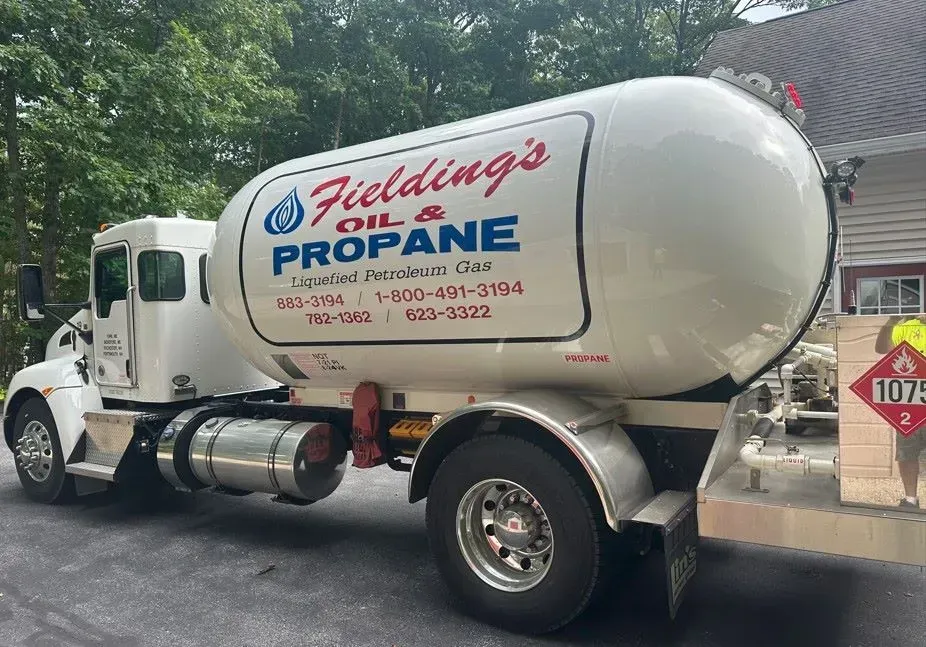
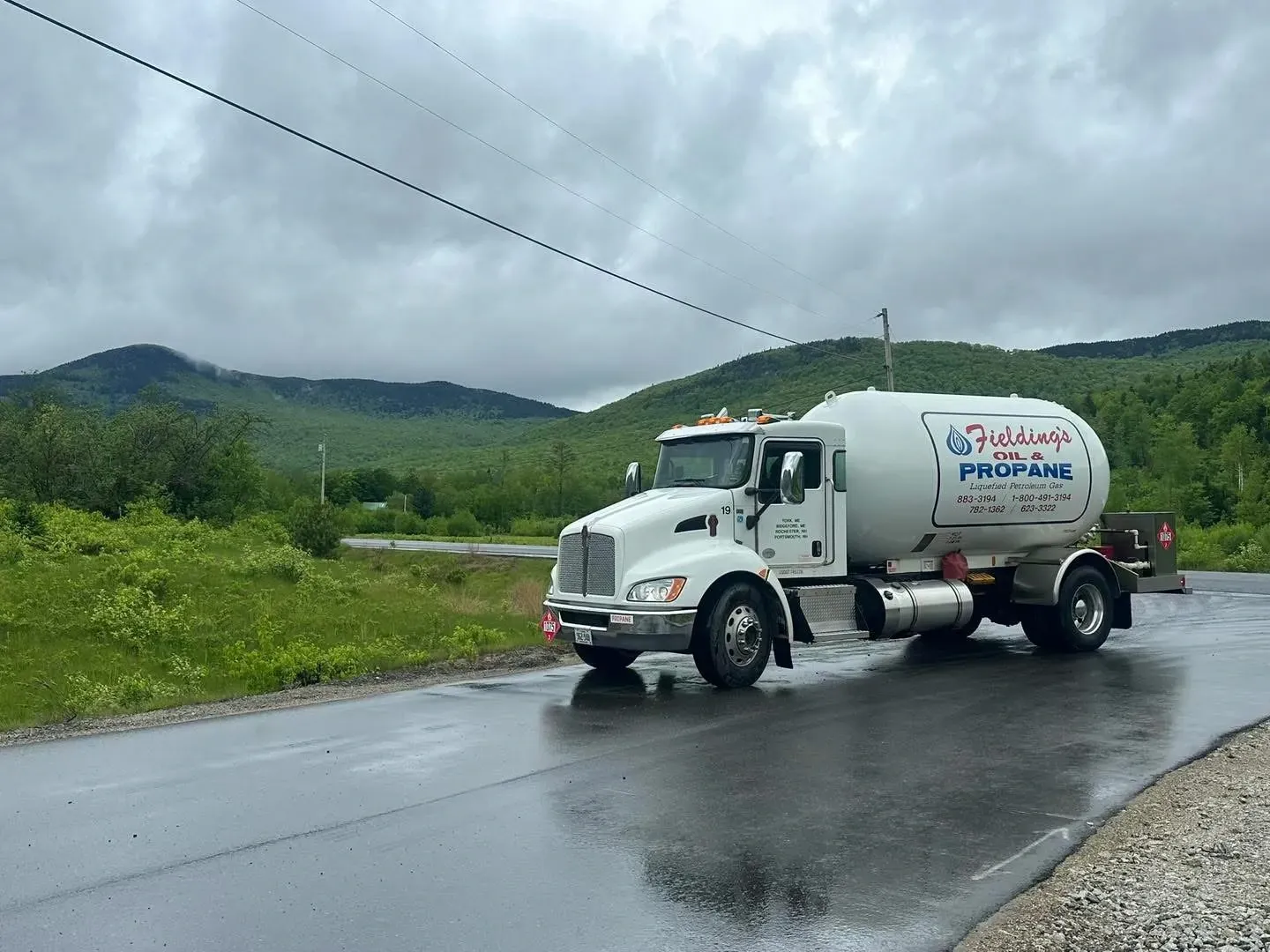
A little preparation in the fall goes a long way toward a warm, low-stress winter. Fielding's Oil & Propane offers tank and burner inspections, tune-ups, automatic delivery, and 24/7 emergency burner service in most regions — so you're covered no matter what the season brings.
Get your home ready:
As a family-owned, third-generation company serving Central and Southern Maine and Southeast New Hampshire for over 50 years, Fielding's is here to help you head into winter with confidence.ew England winters don't ease in gently — one week you're raking leaves, the next you're scraping frost off the windshield. That fast turnaround makes early fall the ideal time to get your fuel tank and furnace ready, before the first real cold snap puts everything to the test. Here's a practical, room-by-room and tank-by-tank checklist to work through.
1. Inspect Your Fuel Tank
Whether you have an oil or propane tank, a quick visual inspection can catch small issues before they become big ones.
- Check for rust, dents, or corrosion, especially around the legs, seams, and bottom of the tank.
- Look for oil stains or wet spots around the base, which can indicate a slow leak.
- Check the fuel gauge to confirm it's reading accurately and get a sense of your current fuel level heading into the season.
- Inspect the fill pipe and vent alarm (for oil tanks) to make sure they're clear of debris, snow, and ice buildup as the season progresses.
- For outdoor tanks, make sure the area around the tank is clear of leaves, brush, or anything that could interfere with delivery access once snow arrives.
If your tank is older or you notice signs of wear, it's worth having a professional take a look before winter rather than waiting for a problem to surface.
2. Schedule a Furnace Tune-Up
A burner that hasn't been serviced since last season is more likely to run inefficiently — or fail — right when you need it most. An annual tune-up typically includes:
- Cleaning the burner and nozzle
- Checking ignition and safety controls
- Inspecting the heat exchanger for cracks or soot buildup
- Testing efficiency and combustion
Beyond preventing breakdowns, a clean, well-tuned furnace burns fuel more efficiently — meaning more heat for every gallon delivered.
3. Check Your Thermostat and Zones
Before the heating season ramps up, test your thermostat to confirm it's working properly and holding temperature accurately. If you have a programmable or smart thermostat, this is also a good time to:
- Set a lower overnight temperature to save on fuel without sacrificing comfort
- Confirm any zoned heating areas are working independently as expected
- Replace thermostat batteries if applicable, so you're not caught off guard by a dead display in January
4. Insulate and Seal Where It Counts
Even the most efficient furnace works harder than it needs to in a drafty home. A few targeted fixes can meaningfully reduce heat loss:
- Weatherstrip doors and windows where you feel drafts
- Insulate exposed pipes, especially in unheated basements, crawl spaces, or garages, to prevent freezing
- Check attic insulation levels, since heat loss through the roof is one of the most common culprits behind high fuel bills
- Seal gaps around pipes, vents, and utility entry points where cold air can sneak in
5. Plan Your Fuel Delivery Ahead of Time
Don't wait until your tank is nearly empty to think about deliveries. As winter weather picks up, delivery schedules can shift due to storms or high demand. Consider:
- Signing up for automatic delivery, so you're never tracking the gauge yourself
- Reviewing price protection or budget plan options if you want more predictable costs for the season
- Knowing your minimum delivery requirements and average usage, so you can plan refills with enough lead time
6. Know Who to Call in an Emergency
Even with the best preparation, furnace issues can happen on the coldest night of the year. Before winter sets in, make sure you have:
- Your fuel provider's emergency service number saved somewhere easy to find
- A basic understanding of your furnace's reset button or shutoff valve, in case you need to describe an issue over the phone
- A plan for temporary heat (space heaters, extra blankets) in the rare case you're without heat overnight
Get Ahead of Winter with Fielding's
A little preparation in the fall goes a long way toward a warm, low-stress winter. Fielding's Oil & Propane offers tank and burner inspections, tune-ups, automatic delivery, and 24/7 emergency burner service in most regions — so you're covered no matter what the season brings.
Get your home ready:
As a family-owned, third-generation company serving Central and Southern Maine and Southeast New Hampshire for over 50 years, Fielding's is here to help you head into winter with confidence.