One of the first decisions new customers face isn't which fuel to use — it's how they want to order it. Do you want your deliveries handled automatically, or do you prefer to call the shots yourself? Both options keep your home warm; they just fit different lifestyles. Here's how to figure out which is right for you.
How Automatic Delivery Works
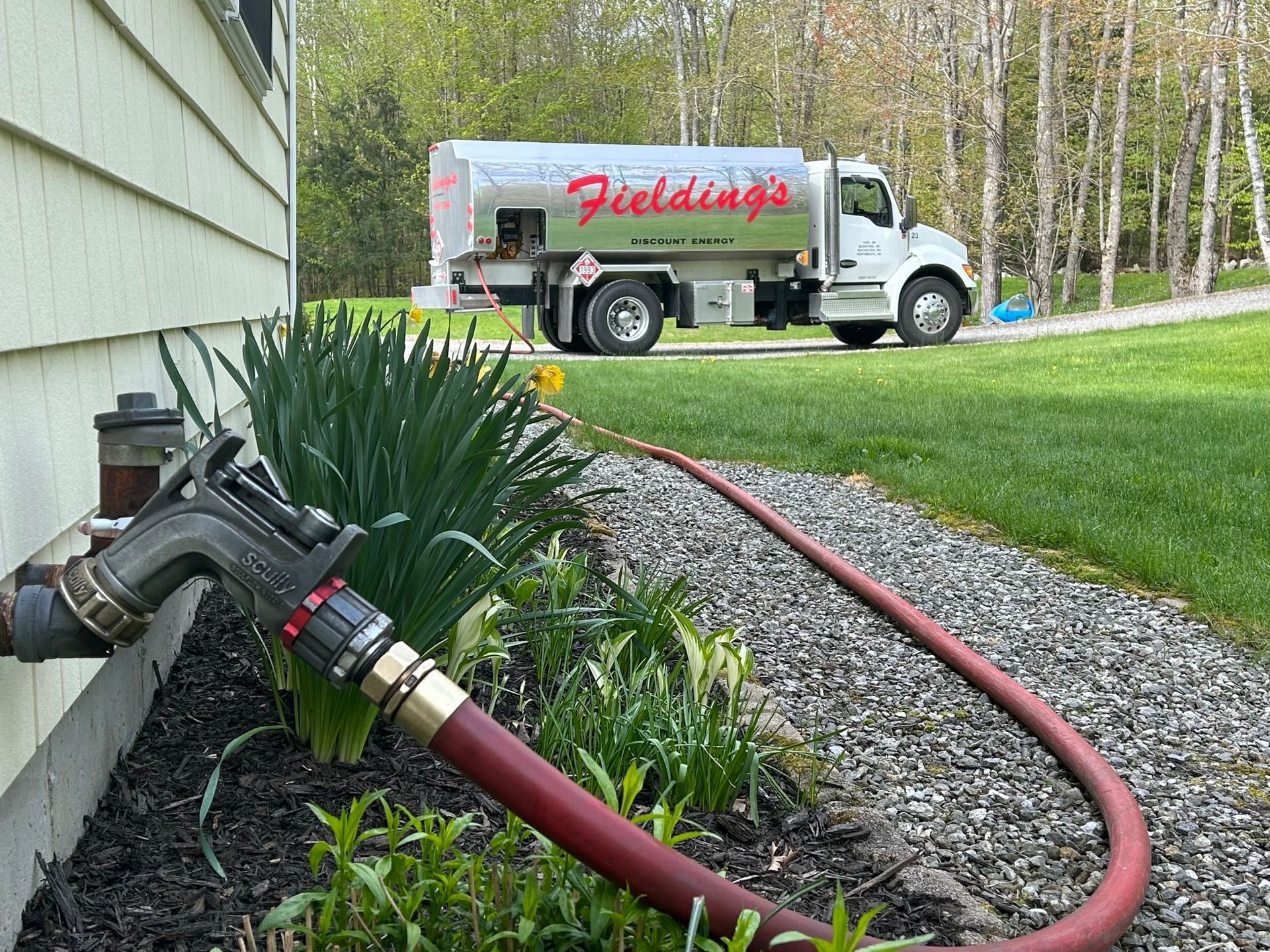
With automatic delivery, you're not tracking your tank level or placing orders yourself. Based on factors like your tank size, historical usage, and current weather patterns, your provider estimates when you'll need fuel and schedules a delivery before you run low.
Advantages:
● One less thing to think about. No checking gauges or remembering to place an order before a cold snap.
● Lower risk of running out. Automatic delivery is designed specifically to avoid the stress (and potential furnace damage) of an empty tank.
● Great for busy households, older homeowners, or second/vacation homes where no one is regularly checking the tank in person.
● Pairs well with budget or price protection plans for a fully predictable, hands-off heating season.
Considerations:
● You have less control over the exact timing of deliveries.
● Estimates are based on averages, so if your usage patterns are unusual (extended vacations, a home addition, etc.), it's worth flagging that to your provider so they can adjust.
How Will-Call (Traditional Ordering) Works
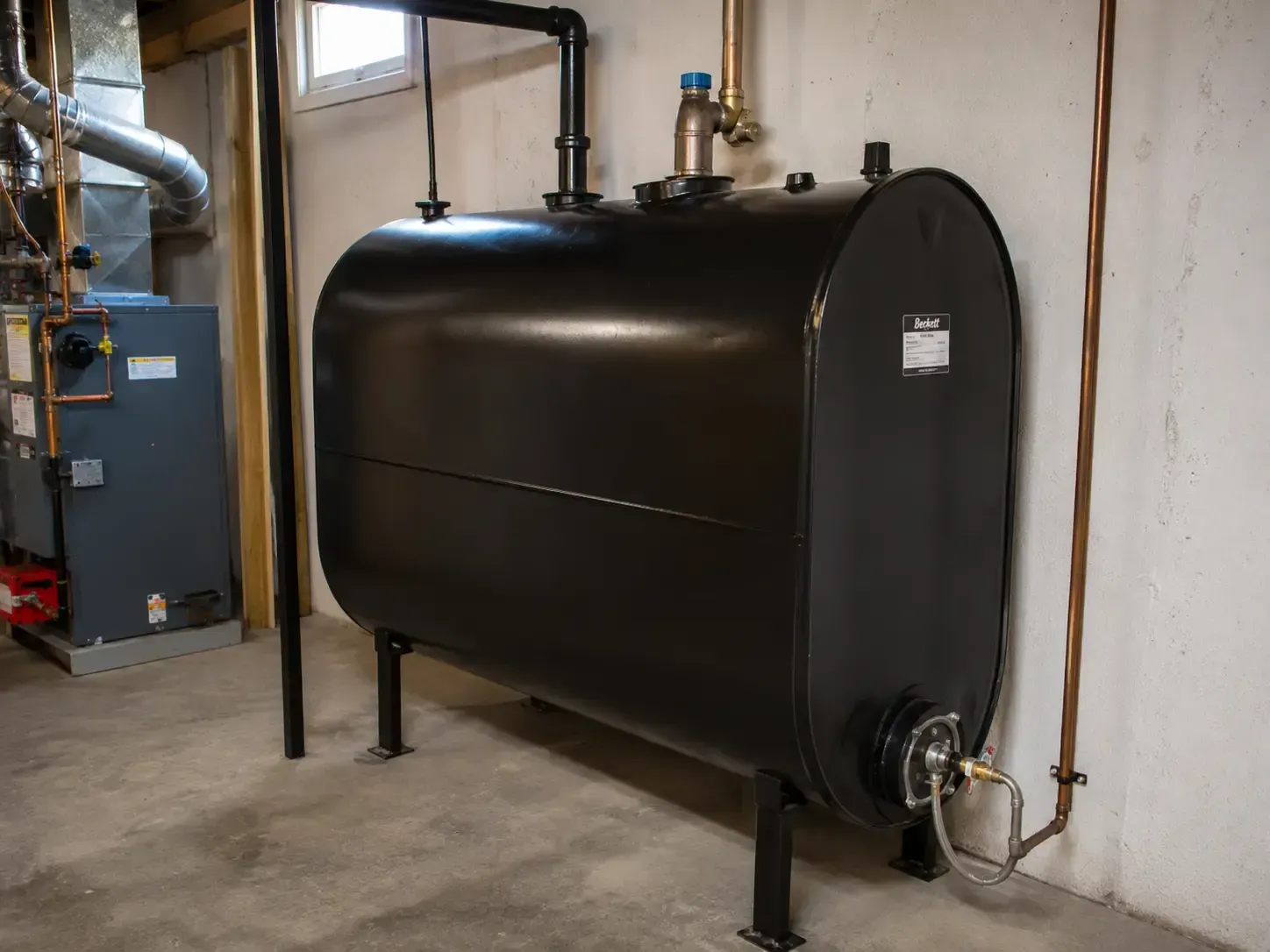
With a will-call or traditional order setup, you monitor your own tank gauge and place an order when you decide it's time — whether that's online, through the customer portal, the mobile app, or by phone.
Advantages:
● Full control over timing. You decide exactly when to order, which can be useful if you're managing cash flow around specific pay periods.
● Flexibility for irregular usage, such as homes with wood stoves or secondary heat sources where oil usage varies more than average.
● No estimate guesswork — you're ordering based on what you actually see on your gauge.
Considerations:
● Requires you to actively monitor your tank level, especially during high-usage winter months.
● Running the tank too low risks sediment getting pulled into the line, or in worst cases, running out of fuel entirely — which can mean an emergency service call to bleed the line and restart the furnace.
● During storms or high-demand periods, last-minute orders may take longer to fulfill than a scheduled automatic delivery.
Questions to Help You Decide
● Do you check your fuel gauge regularly, or does it slip your mind? If it's the latter, automatic delivery removes that risk entirely.
● Does your household have unpredictable fuel usage — a secondary heat source, seasonal occupancy, or a home addition? Will-call may give you more control in those cases.
● Are you managing your budget month to month? Automatic delivery paired with a budget plan can make your heating costs more predictable overall.
● Do you travel frequently or own a second home in Maine or NH? Automatic delivery is often the safer choice when no one is around to check the tank.
You Can Always Switch
Your ordering preference isn't set in stone. Plenty of customers start with will-call and switch to automatic delivery once they see how much simpler it is — or vice versa, if they want more control over timing. The right choice is whichever one keeps your home reliably warm with the least amount of stress for your household.
Ready to Set Up Your Delivery Preference?
Fielding's makes it easy to choose the ordering method that works best for you — and to switch if your needs change.
● Sign Up for Automatic Delivery
● Place a Will-Call Order
● All Customer Order Forms
● Or call us at
1-800-491-3194
As a family-owned company serving Central and Southern Maine and Southeast New Hampshire for over 50 years, Fielding's is here to help you find the ordering method that fits your household best.