Every September, FEMA and Ready.gov mark National Preparedness Month — a reminder that the best time to prepare for an emergency is before one happens, not during it. For Maine and New Hampshire homeowners, that often means thinking about power. Nor'easters, ice storms, and high-wind events are a fact of life here, and losing power for even a day or two in January is a very different problem than losing it in July. If you're considering a backup generator this fall, propane is one of the most reliable fuels to run it on — and Fielding's can help make sure that fuel is there when you need it.
Why Propane Is a Popular Choice for Backup Power
Unlike gasoline, propane doesn't degrade in storage, which means a properly maintained propane tank can sit ready for months or years without the fuel going stale. That's a meaningful advantage for a generator that might only run a handful of times a year, often with little notice. Propane-fueled standby generators can also be plumbed directly to a home's existing propane supply, so there's no need to store and rotate gas cans in the garage.
For homes that already use propane for heating, hot water, or cooking, adding a generator that draws from the same system—or a dedicated tank—is often a natural extension of the fuel infrastructure already in place.
Sizing a Propane Tank for a Home Generator
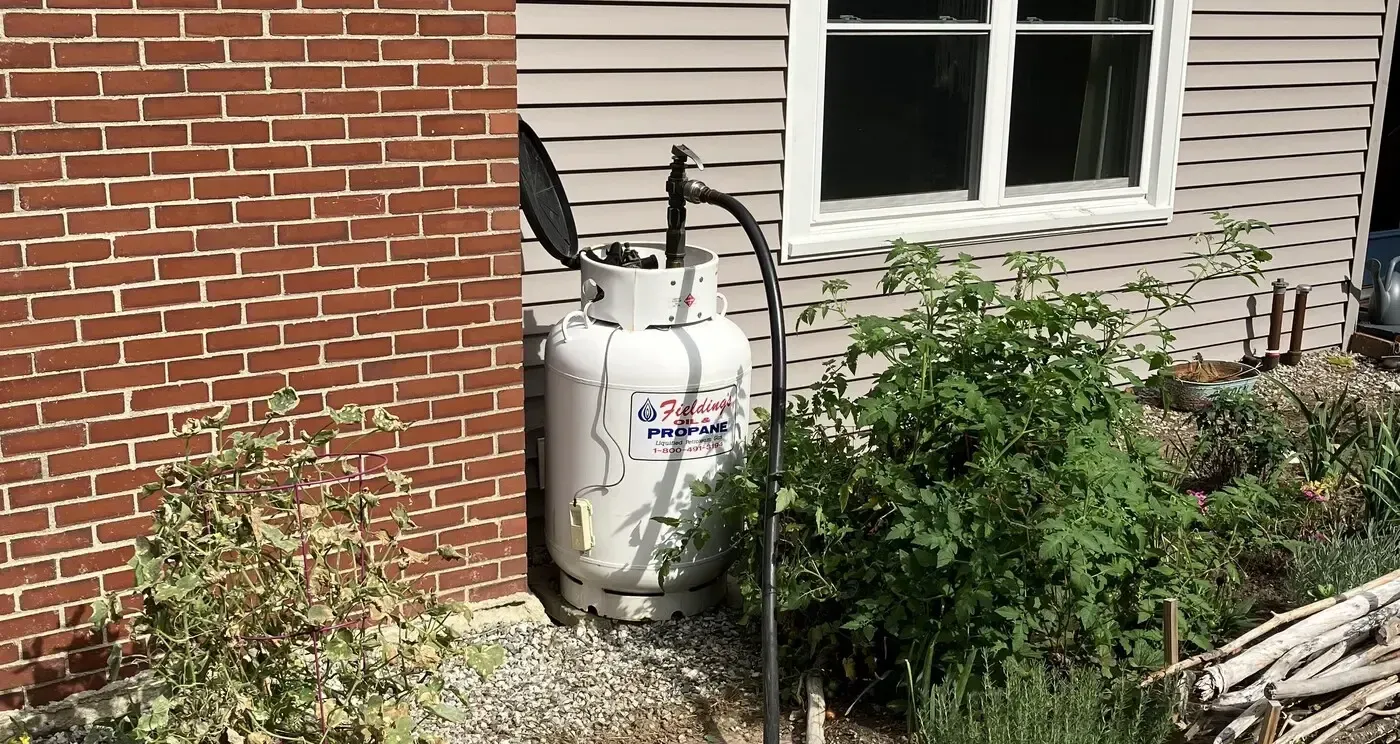
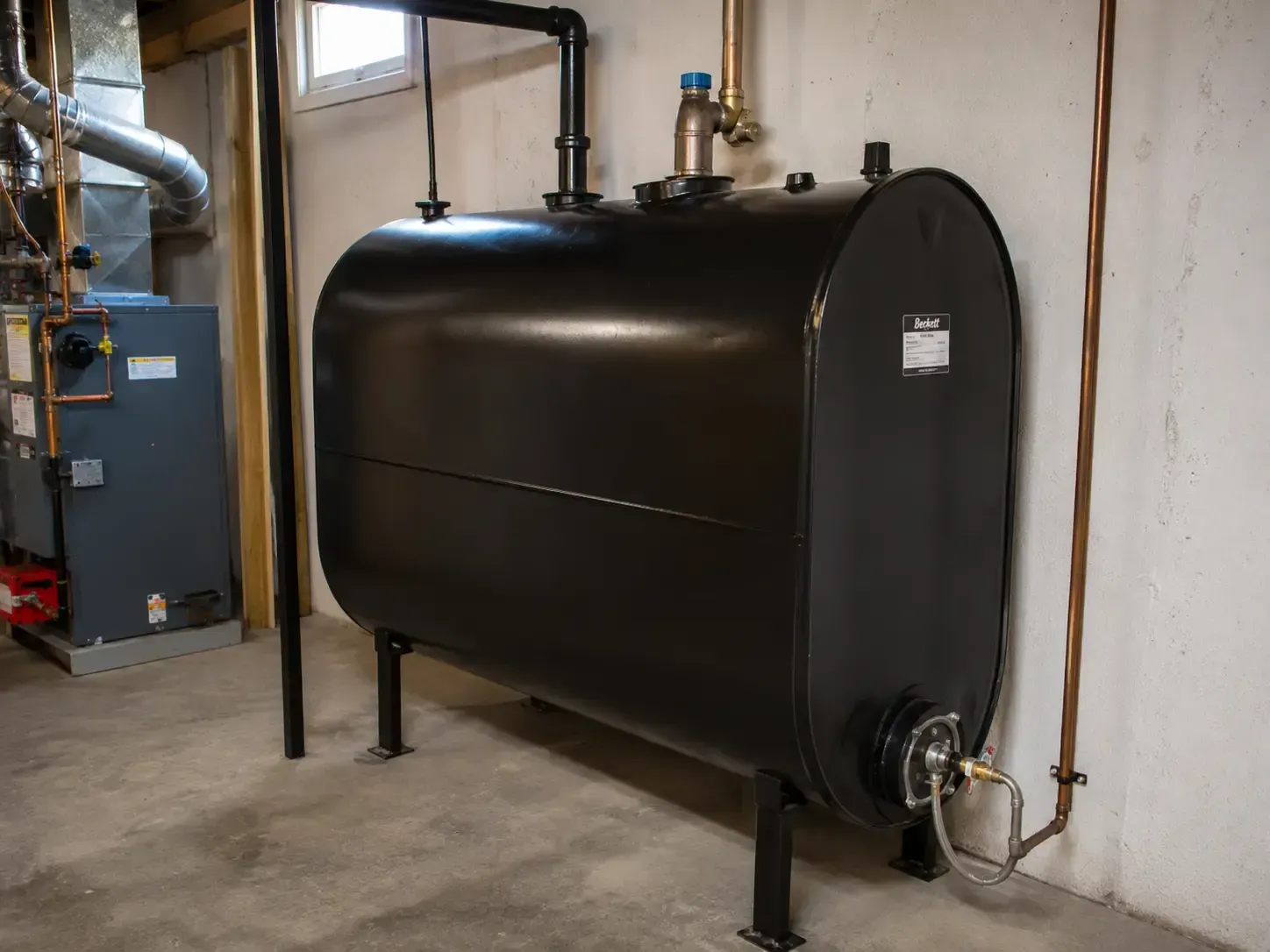
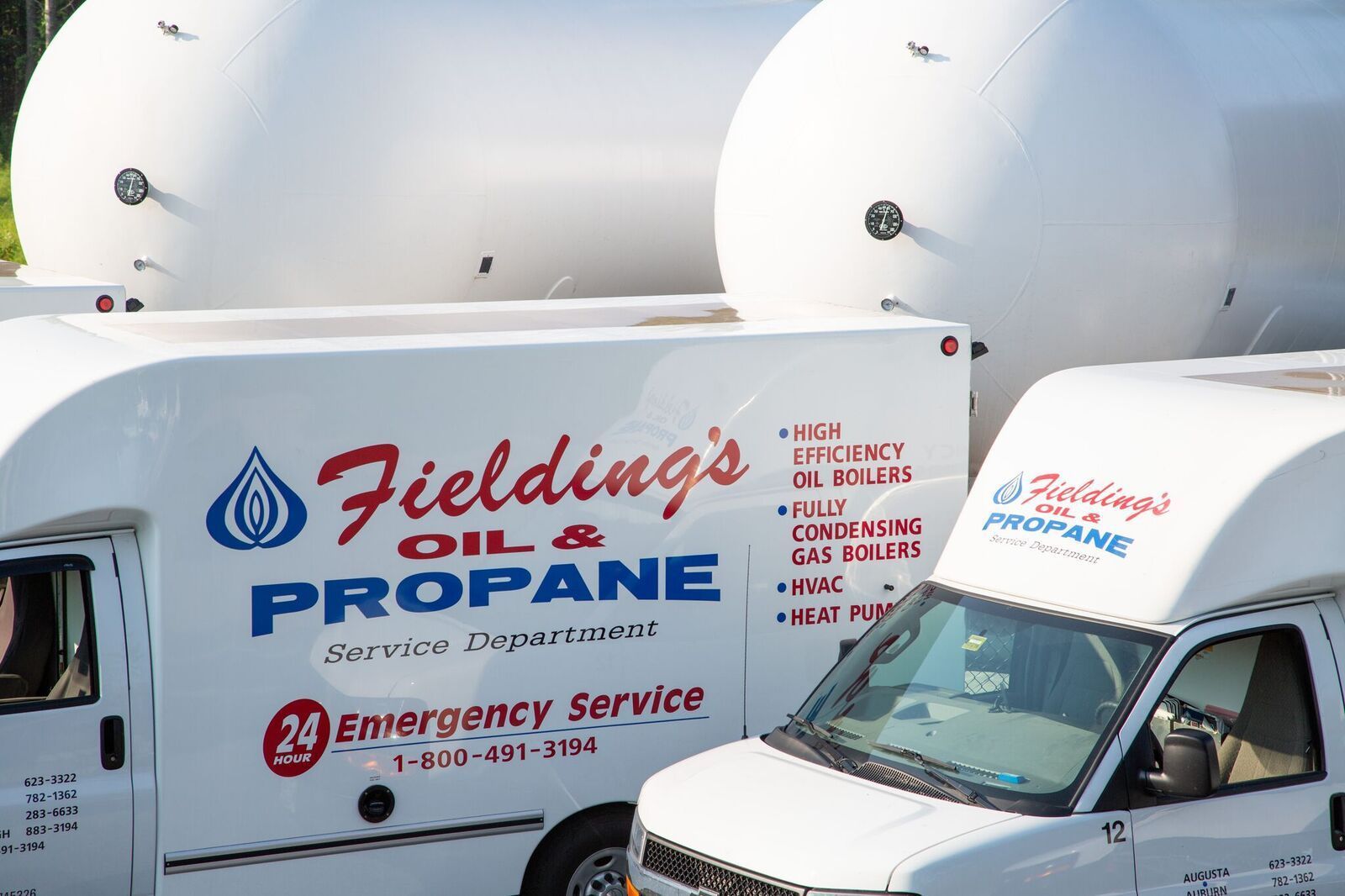
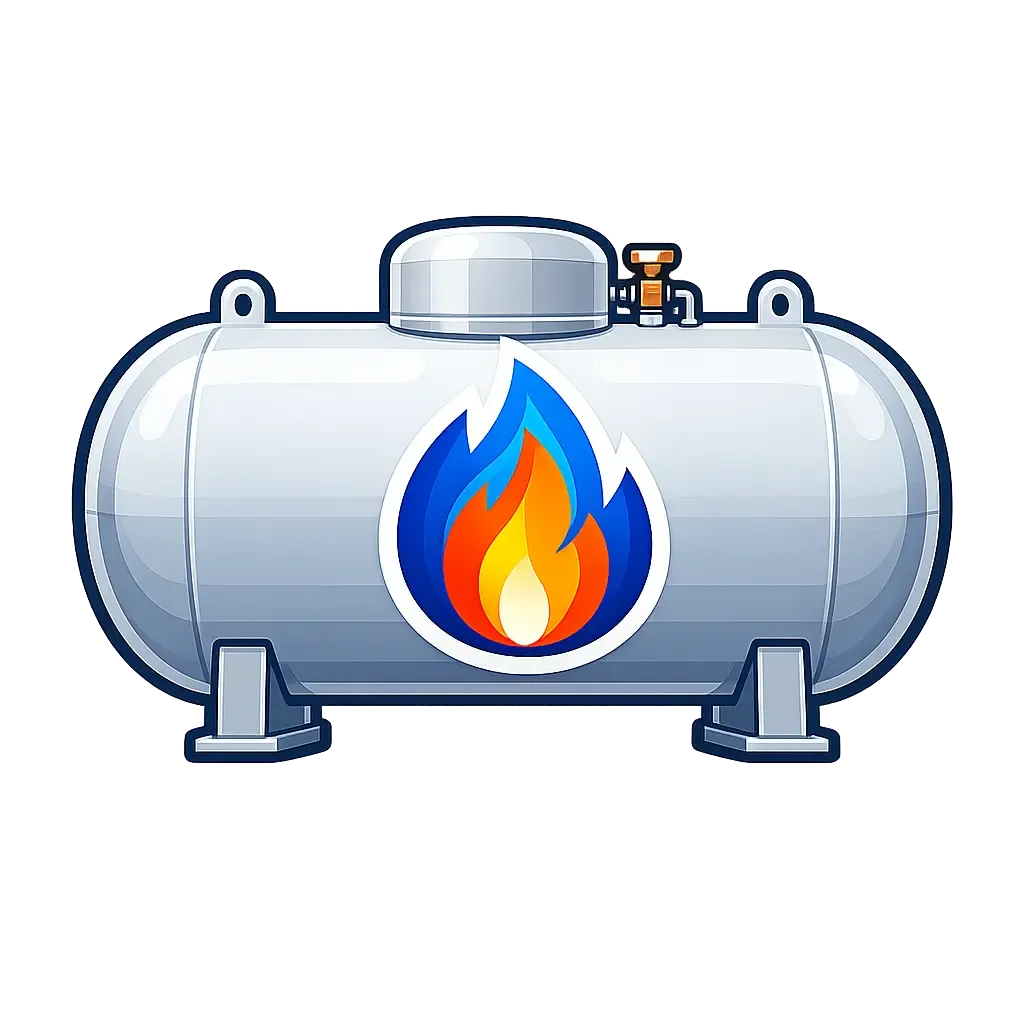
Propane tanks come in a range of sizes, and the right one depends on what you're running and for how long. Common residential sizes include smaller 120-gallon tanks up through larger 320-gallon and 500-gallon tanks, with the larger sizes typically chosen by homes that also heat with propane or want extended run time for a whole-house generator.
A few factors that affect sizing:
- Generator wattage and fuel consumption — larger, whole-house generators draw more propane per hour than a smaller portable or partial-home unit.
- Combined household use — if propane also fuels your furnace, water heater, or range, your tank needs to support all of that demand, not just the generator.
- Expected outage length — a tank sized only for a few hours of runtime won't help much during a multi-day storm event.
- Above-ground vs. below-ground installation — both are common in Maine and NH; the right choice depends on your property, local codes, and aesthetic preference.
Fielding's residential propane services
Fielding's propane team can walk through tank sizing with you based on your household's total propane use, not just the generator alone—that's the detail most often missed.
Keeping Your Generator Fueled All Winter
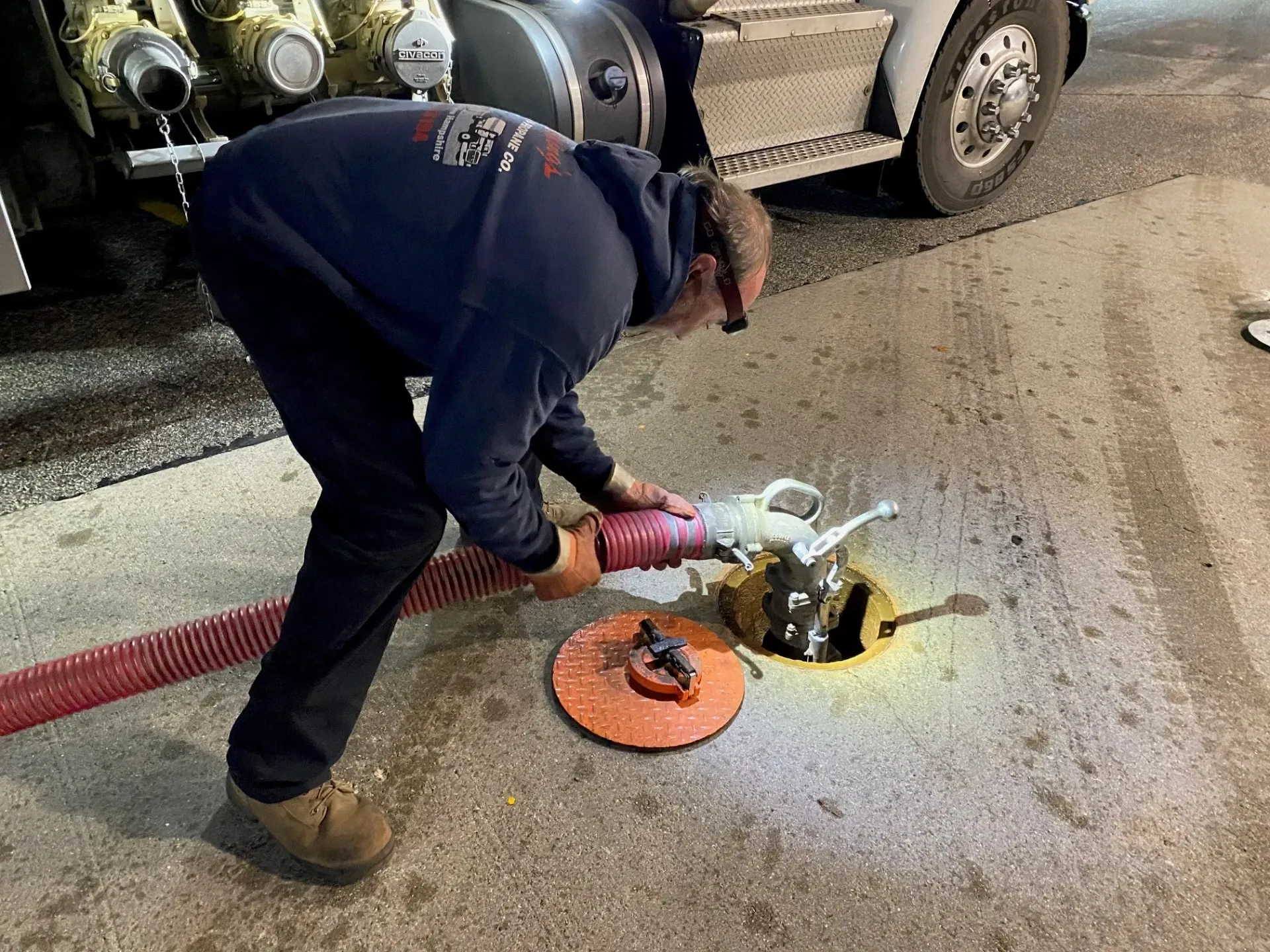
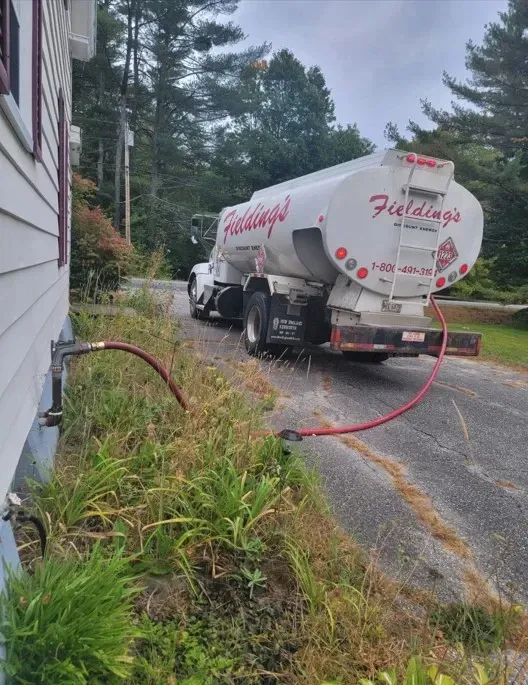
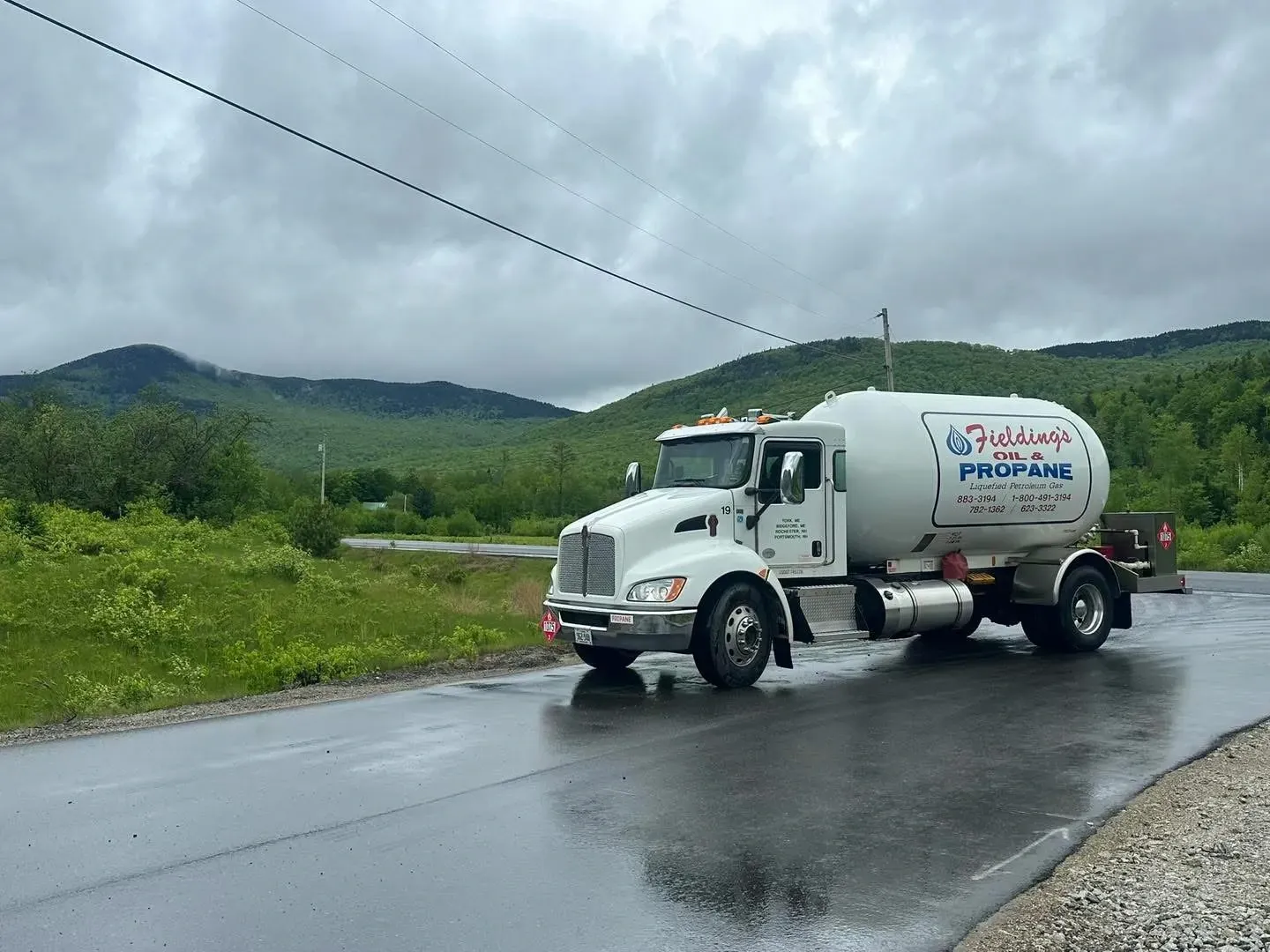
A generator is only useful if there's fuel behind it when the power actually goes out — which is exactly when it's hardest to arrange a delivery. That's where a reliable supplier matters. Fielding's offers both
Automatic Delivery, which tracks your usage and schedules refills before you're running low, and
Will-Call ordering for households that prefer to manage timing themselves.
[INTERNAL LINK: /automatic-delivery "Learn how Automatic Delivery keeps your tank topped off and schedules
If backup power is a priority for your household, automatic delivery is generally the safer bet — it removes the guesswork of remembering to order before a storm is even in the forecast.
Maine Propane Delivery Schedule
New Hampshire Propane Delivery Schedule
Maine propane delivery
A Broader Preparedness Checklist for Maine & NH Homes
Backup power is one piece of winter preparedness, but a few other steps go a long way:
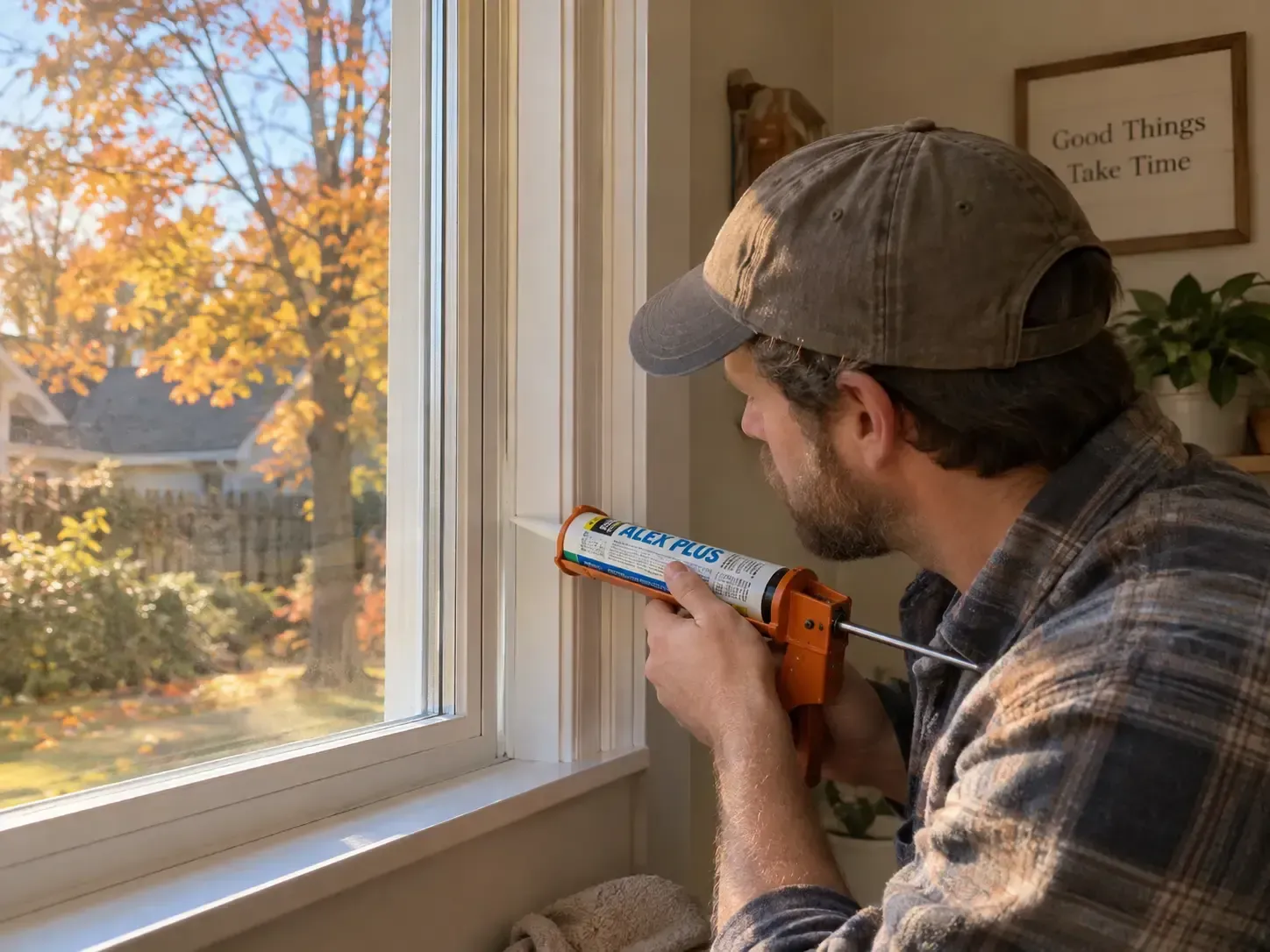
- Have your burner or furnace serviced before the season starts so it's less likely to fail during a cold snap.
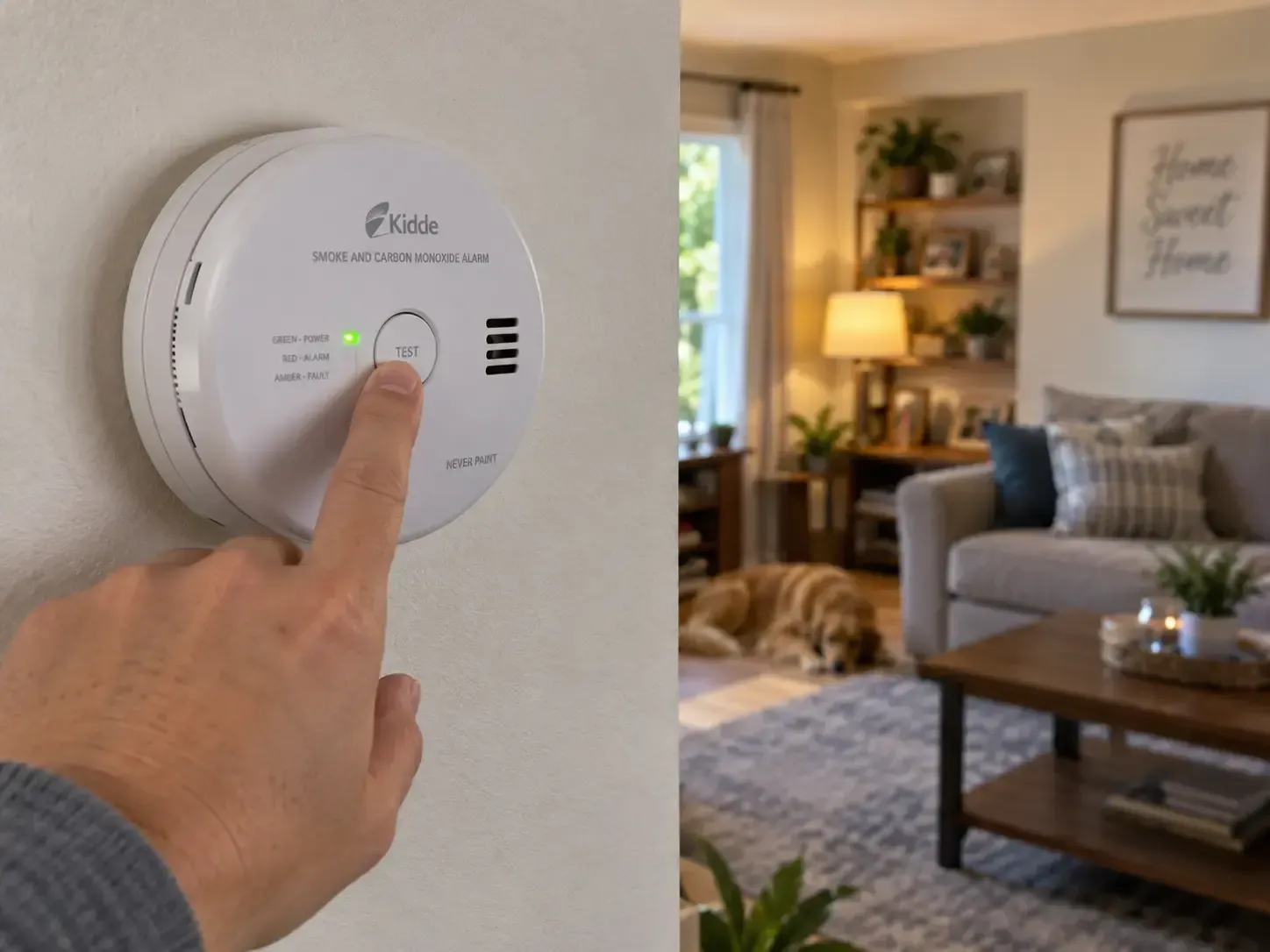
- Test your generator and transfer switch now, not during the first storm of the year.
- Keep a few days of supplies on hand — water, flashlights, batteries, and a way to charge phones.
- Know your account's delivery status so you're not caught off guard if a storm is approaching and your tank is low.
- Sign up for local emergency alerts through your town or county so you have advance notice of major weather events.
Ready.gov's National Preparedness Month resources]
FAQ
How long can a home run on a 500-gallon propane tank during an outage?
It depends heavily on the generator size and what else is drawing propane in the home, but a larger tank paired with a whole-house standby generator can often support several days of intermittent runtime. Fielding's can help estimate this based on your specific equipment.
Do I need a separate propane tank for a generator if I already heat with propane?
Not necessarily — many homes run a generator off their existing propane system, as long as the tank and supply line are sized to handle the combined load. A propane technician can confirm whether your current setup supports it.
Does Fielding's install generators?
Fielding's focuses on propane and heating oil delivery, tank service, and fuel supply. If you're adding a generator, your electrician or generator installer will typically handle the equipment itself, while Fielding's makes sure the propane tank and fuel supply are properly sized and kept filled.
What's the difference between above-ground and below-ground propane tanks?
Above-ground tanks are generally simpler and less expensive to install and service; below-ground (buried) tanks are hidden from view but involve additional excavation and access considerations. Both are common across Maine and New Hampshire — the right choice depends on your property and preferences.
When should I schedule a propane delivery before winter storm season?
As early as possible, ideally before the first major storm system of the season. Signing up for Automatic Delivery removes the need to time it yourself.
Conclusion
National Preparedness Month is a good annual nudge to check the things that are easy to put off — and backup power is one of them. If a propane generator is part of your plan for this winter, Fielding's can help make sure your tank is sized correctly and stays filled all season. Call
1-800-491-3194 or visit the
propane page to get started.